
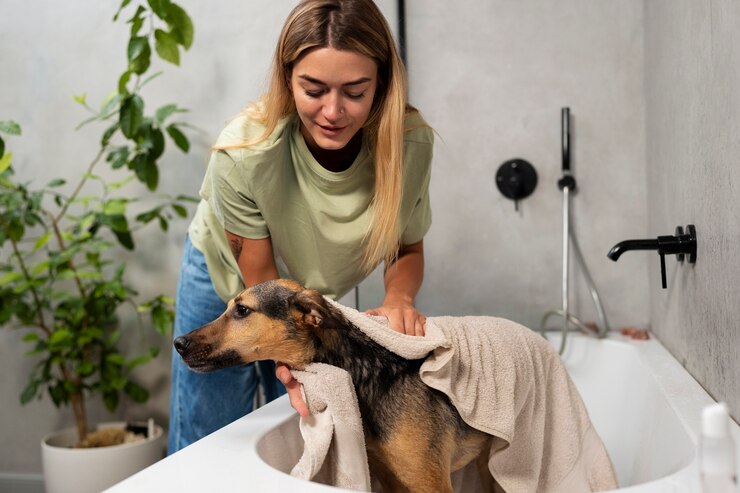
Just like humans, pets can experience various skin sensitivities that require specific care during their grooming routines. Understanding your pet’s skin type is crucial for selecting the appropriate washing technique. Sensitive skin in pets can manifest in several ways, such as itching, redness, or flaking following a bath. This may signal that the bathing routine requires a gentler approach and more thoughtful consideration of the products and methods used. Factors impacting sensitive skin include the environment, genetics, and previous exposure to harsh chemicals.
Choosing the Right Products for Pet Bathing
Utilizing high-quality bathing products tailored to your pet’s specific needs can significantly enhance their skin and coat health. When scheduling a grooming session, particularly for pets with sensitive skin, it’s important to select hypoallergenic, pH-balanced shampoos. Such products clean gently and alleviate skin issues while still delivering effective cleansing results. Ingredients like oatmeal and aloe vera work wonders for soothing irritation, while coconut-infused formulations can restore hydration to the coat.
In 2025, many pet owners are discovering the benefits of opting for natural ingredients over chemical-laden alternatives. This shift marks a growing awareness of the detrimental effects that harsh chemicals can have on their furry companions. Understanding this can help in making informed choices when selecting shampoos and conditioners. It is advisable to consult with a veterinarian to determine the best tailored options that suit specific skin conditions.
Additionally, creating a checklist for bathing products can help streamline the selection process. Recommended items include:
- Hypoallergenic shampoos with natural ingredients
- Conditioners formulated specifically for pets
- Soothing sprays for post-bath comfort
- Grooming tools designed for effective coat management
Key Considerations When Bathing Pets
Besides choosing the right products, effective rinsing techniques are crucial as remnants of shampoo can irritate sensitive skin. Ensuring to rinse thoroughly, especially in skin folds and under joints, can prevent itching and discomfort after the bath. This aspect of grooming cannot be overlooked as it serves as a preventative measure against potential skin issues. Skipping this step may lead to future complications, including infections or dermatitis.
Additionally, observe your pet’s behavior during and after bathing. Recognizing early signs of irritation can assist in promptly addressing any concerns. Signs may include:
- Excessive scratching or licking following the bath
- Visible redness or small rashes
- Presence of dry flakes on the skin
- Hot spots or inflamed areas
Consulting with a veterinarian if these signs arise can provide clarity and potential solutions for ongoing care.
| Bathing Products | Purpose |
|---|---|
| Hypoallergenic Shampoos | Calms and soothes sensitive skin. |
| Conditioners | Moisturizes and protects the coat. |
| Soothing Sprays | Provides relief for irritated skin post-bath. |
| Specialized Grooming Tools | Facilitates easy management of coats. |
Establishing a Bath Routine That Works
Frequency of bathing plays a pivotal role in maintaining your pet’s skin health and overall well-being. Overwashing can strip essential oils, while underbathing can allow dirt and allergens to accumulate. For pets with mild sensitivity, veterinary guidance commonly suggests bathing every 4 to 6 weeks, whereas highly sensitive pets may require grooming only as needed or under veterinary advice.
Tailoring your bathing schedule based on your pet’s lifestyle can yield better results. For example, active pets or those that enjoy outdoor play may require more frequent baths due to dirt accumulation. Implementing a consistent grooming regime fosters not only cleanliness but also strengthens the bond between pets and their owners.
Monitoring Changes and Adjusting Care
As your pet ages or if their environment changes, adapting your approach becomes necessary. It’s essential to periodically reassess your pet’s grooming requirements, taking into consideration any new health issues, environmental factors, or even seasonal changes that may impact their skin condition. This proactive approach can lead to enhanced skin health and a luxurious coat.
In conclusion, integrating these tailored techniques into your pet grooming routine can significantly improve their skin and fur health. Remember to select gentle cleansing products, create a calming bath environment, and monitor your pet’s behavior closely. By doing so, you pave the way for a healthier, happier pet. Bark Club Grooming provides specialized grooming services using gentle techniques, hypoallergenic products, and veterinarian-approved practices designed to maintain skin health and coat vitality.


