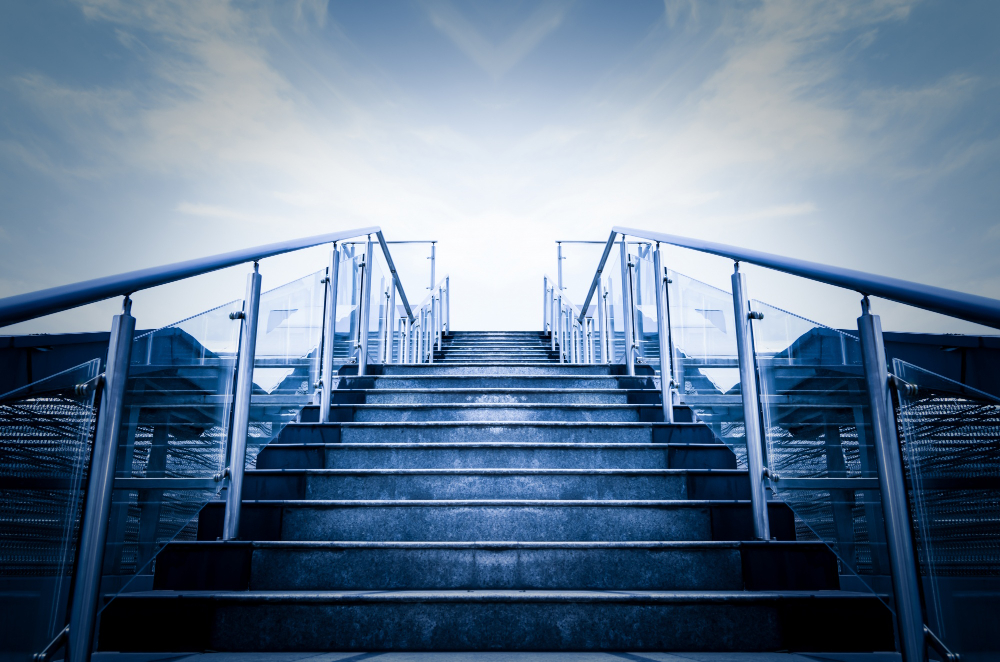
The allure of glass staircases is undeniable. Their sleek appearance and ability to enhance natural light create a stunning visual spectacle in both residential and commercial environments. While they add a modern elegance to any space, potential buyers often seek reassurance regarding their safety. This article delves into the key aspects that determine whether glass staircases are safe, emphasizing their construction, the quality of materials, adherence to regulations, and installation considerations—factors that architects prioritize in their designs.
Understanding Glass Staircase Construction
Before diving into safety considerations, it is essential to understand how glass staircases are constructed. The safety and durability of these staircases hinge significantly on their construction processes and the materials used.
The Role of Structural Glass Panels
Unlike typical wooden or metal stairs, glass staircases primarily utilize structural glass panels. These panels are not just any glass; they are specifically designed to have superior strength and resilience. The main types of glass used in staircases include tempered glass and laminated glass. Both types undergo processes that increase their structural integrity and safety.
1. Tempered Glass: This glass is heated and then rapidly cooled, making it approximately five to six times stronger than regular glass. If shattered, it breaks into small, less dangerous pieces rather than jagged shards.
2. Laminated Glass: This type involves two or more layers of glass held together by an interlayer, usually made of polyvinyl butyral (PVB). This construction allows the glass to remain intact even when cracked.
3. Combined Use: Often, both laminated and tempered glass are used together in stair designs, maximizing safety while allowing for artistic expression.
Quality of Materials and Their Importance
The quality of the materials used in the construction of glass staircases is critical. Utilizing inferior materials can greatly compromise the safety of the staircase. The basic requirements for a safe glass staircase include:
- Using at least 15mm thick toughened glass to meet building regulations.
- Ensuring that the glass conforms to recognized safety standards.
- Employing high-quality fixings and supports.
If you’re considering a glass staircase installation, insist on quality control and verification of materials to ensure compliance with safety standards. This not only enhances the staircase’s aesthetic appeal but also its safety and longevity.
| Type of Glass | Properties | Applications |
|---|---|---|
| Tempered Glass | High strength, shatters into small pieces | Stair treads, balustrades |
| Laminated Glass | Stays intact upon breaking, excellent sound insulation | Railing, decorative elements |
For an in-depth exploration of improving safety measures in architectural designs, consider checking resources like this article.
Adhering to Building Regulations
Building regulations play a vital role in ensuring the safety of glass staircases. In regions like the UK, these regulations provide guidelines on the installation of glass staircases, covering key aspects such as glass thickness, support structures, and overall design.
Essential Regulatory Standards
Adhering to the relevant health and safety regulations is fundamental when considering the installation of a glass staircase. Key standards include:
- Glass Thickness and Load-Bearing Capacity: Regulations typically mandate that the minimum thickness of glass used in staircases is 15mm.
- Support Structures: Glass staircases must have adequate support systems in place to bear the intended load, which can vary greatly depending on the specific installation.
- Safety Ratings: All materials should have appropriate safety ratings to prevent incidents.
These regulations may seem tedious, but they significantly enhance safety. If you have any queries, do not hesitate to consult professionals who specialize in building regulations and glass solutions.
The Role of Experienced Installers
Choosing the right company for installation is crucial. It is recommended to collaborate with a reputable installer who adheres to building regulations and understands the specific safety requirements for glass staircases. A professional installer considers all aspects of the project, including:
- Compliance with building codes.
- High-quality materials and their proper application.
- Adequate craftsmanship and installation techniques.
By selecting a knowledgeable installer, you reduce the risk of safety issues and ensure that your staircase remains a stunning centerpiece in your space.
For further information on maintaining stair safety, explore this resource.
If you’re interested in installing a glass staircase, it is essential to find reputable companies. Companies such as NVA Glass & Mirror specialize in providing high-quality products while offering guidance on safety regulations.