In the realm of home design, maximizing space is a task that often appears daunting, particularly for those who navigate the challenges of both small and spacious environments. This is where made-to-measure wardrobes shine, offering tailored solutions that not only enhance the aesthetics of your home but also ensure functionality. Whether you live in a compact studio or a sprawling estate, the ability to create customized wardrobes that reflect your personal style while providing ample storage is invaluable.
Understanding Made-to-Measure Wardrobes
Defining made-to-measure wardrobes begins with understanding their inherent flexibility.
The Benefits of Custom Wardrobes
Investing in a made-to-measure wardrobe can yield various benefits that extend beyond mere aesthetics. Here are some of the key advantages:
- Maximized Space: Custom wardrobes are designed to efficiently use the specific dimensions of a room, providing storage in often overlooked areas.
- Personalized Design: Homeowners can choose from various materials, colors, and finishes to create a wardrobe that complements their decor.
- Functional Features: Options like pull-out drawers, integrated lighting, and adjustable shelves enhance organization and usability.
- Increased Property Value: High-quality, bespoke cabinetry can improve the overall market value of a home.
- Durability: Custom wardrobes are generally constructed using high-quality materials, ensuring longevity.
By addressing specific storage needs and aesthetic preferences, these wardrobes not only resolve clutter but also enhance the visual environment of your living space.
Types of Made-to-Measure Wardrobes
When considering a custom wardrobe, the variety of styles and configurations available can make the decision process exciting yet overwhelming. Here are some popular types:
- Fitted Wardrobes: Seamlessly integrated with walls, these wardrobes utilize vertical space and can be designed to stretch from floor to ceiling.
- Walk-In Wardrobes: Ideal for larger spaces, walk-in wardrobes provide ample room and can be designed as a luxurious dressing area.
- Sliding Door Wardrobes: Perfect for small spaces, sliding doors help save room while providing quick access to stored garments and accessories.
- Corner Wardrobes: Utilized in awkward configurations, these maximize space in corners and allow for a unique storage solution.
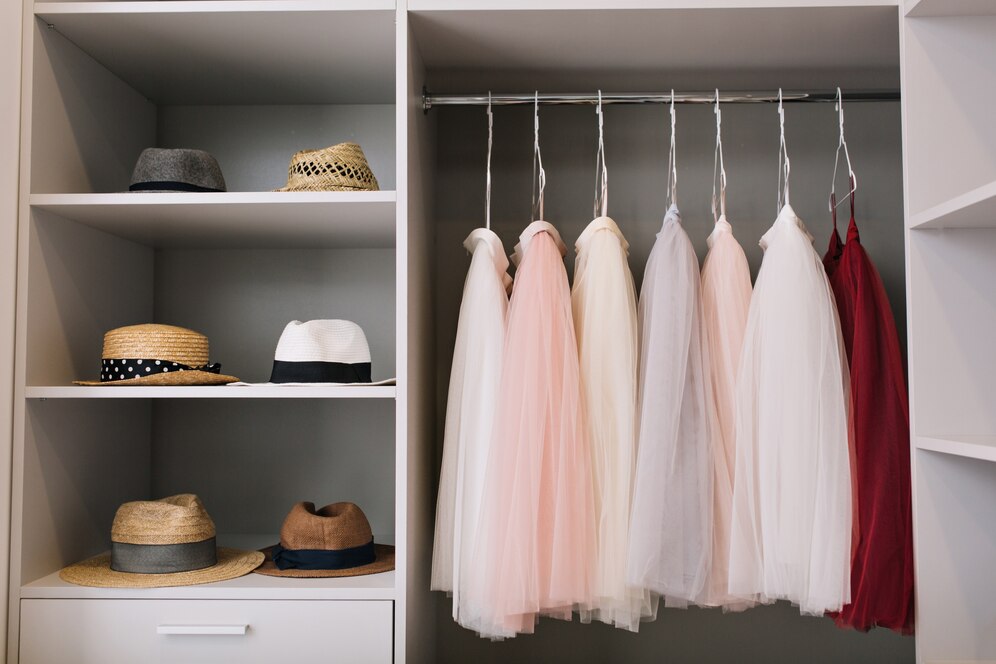
- Open Closets: For those who prefer a more organized display of their clothing, open racks can be combined with drawers or shelves for mixed functionality.
Each type offers unique possibilities for catering to both limitations and opportunities within your home, ensuring that each wardrobe serves a practical purpose while enhancing the style of your living spaces.
| Wardrobe Type | Space Suitability | Key Features |
|---|---|---|
| Fitted Wardrobes | Small to large | Floor-to-ceiling design, customizable configurations |
| Walk-In Wardrobes | Large | Ample space, dressing area, organized displays |
| Sliding Door Wardrobes | Small | Space-saving, easy access |
| Corner Wardrobes | Small to medium | Maximizes corner space, unique designs |
| Open Closets | Varied | Simple access, customizable displays |
Designing Your Perfect Wardrobe
To successfully design a made-to-measure wardrobe, the process must begin with careful consideration of the existing space, functionality requirements, and personal tastes. Here are several essential steps to guide homeowners through this journey:
Assessing Space and Storage Needs
Understanding your storage requirements is crucial. Consider the following:
- What types of clothing do you have?
- How much partition do you require for hanging versus folded items?
- Do you need additional space for shoes, accessories, or seasonal clothing?
By evaluating your current needs, you can create a wardrobe that streamlines your life.
Choosing Materials and Finishes
When it comes to aesthetic appeal, the choice of materials and finishes can significantly affect the wardrobe’s overall feel. Consider materials such as:
- Wood: Elegant and durable, wooden wardrobes offer warmth and style.
- MDF: Affordable and versatile, perfect for modern finishes.
- Veneers: A cost-effective option that mimics the appearance of solid wood.
Experimenting with color schemes and textures can help create a cohesive look that matches the rest of your home.
Planning for Accessibility
In any wardrobe design, accessibility should be a top priority. This entails:
- Optimal placement of frequently used items
- Incorporating features like pull-out shelves and soft-close drawers for ease of use
- Including mirrors in strategic locations for effortless outfit selection
Such planning ensures your wardrobe is not only beautiful but highly functional, meeting the demands of daily life.
Installation and Craftsmanship
The final step in obtaining a made-to-measure wardrobe is the installation process, a stage that deserves significant attention. The quality of craftsmanship directly influences both the look and longevity of the furniture.

Choosing the Right Professionals
Engaging skilled professionals for installation is vital. Look for craftsmen who demonstrate:
- An understanding of your needs and style preferences
- A portfolio showcasing previous work
- Positive customer reviews
By entrusting your wardrobe to experts, you ensure that the finished product exceeds your expectations.
Understanding the Installation Process
The installation process usually involves:
- Measuring the installation area for precise fitting
- Cutting materials to the specified dimensions
- Assembling and securing the wardrobe in place
This meticulous process is essential for achieving a seamless and polished result that enhances your living space.
| Installation Step | Description |
|---|---|
| Measurement | Accurate dimensions ensure proper fitting. |
| Material Preparation | Cutting the materials according to specifications. |
| Assembly | Putting together the wardrobe components efficiently. |
| Final Placement | Securing the wardrobe to ensure stability and durability. |
Cost Considerations for Made-to-Measure Wardrobes
As with any custom home improvement project, understanding the costs associated with made-to-measure wardrobes is essential. These costs can vary significantly based on several factors:
Factors Impacting Cost
When budgeting for a custom wardrobe, consider the following factors:
- Materials: The type and quality of materials chosen will greatly impact pricing.
- Complexity of Design: Intricate designs with multiple features add to the overall cost.
- Size: Larger wardrobes naturally require more material and labor.
- Customization Level: Unique requests or tailor-made features can elevate costs.
By gaining a comprehensive understanding of the elements that influence price, you can better navigate your investment.
Setting a Budget
To avoid overspending while achieving the desired outcome, create a detailed budget plan. This budget should encompass the scope of work, materials, installation fees, and potential unforeseen expenses. An effective strategy includes:
- Researching estimated costs for various materials and designs.
- Consulting multiple professionals for quotes.
- Allowing extra room in the budget for unexpected adjustments or enhancements.
By setting a realistic budget, homeowners can be more confident in their decisions, ensuring that their dream wardrobe does not become a financial burden.
The journey of creating a made-to-measure wardrobe transcends mere functionality; it influences the ambiance and organization of your living space. Whether fitting neatly into a compact nook or dominating a lavish dressing area, custom wardrobes represent a blend of personal taste and practical design. Investing in such solutions not only meets individual storage requirements but also enhances the overall aesthetic appeal of your home.
For more insights on tailored storage solutions and personalized designs, consider exploring Möbel Pty Ltd’s website.