
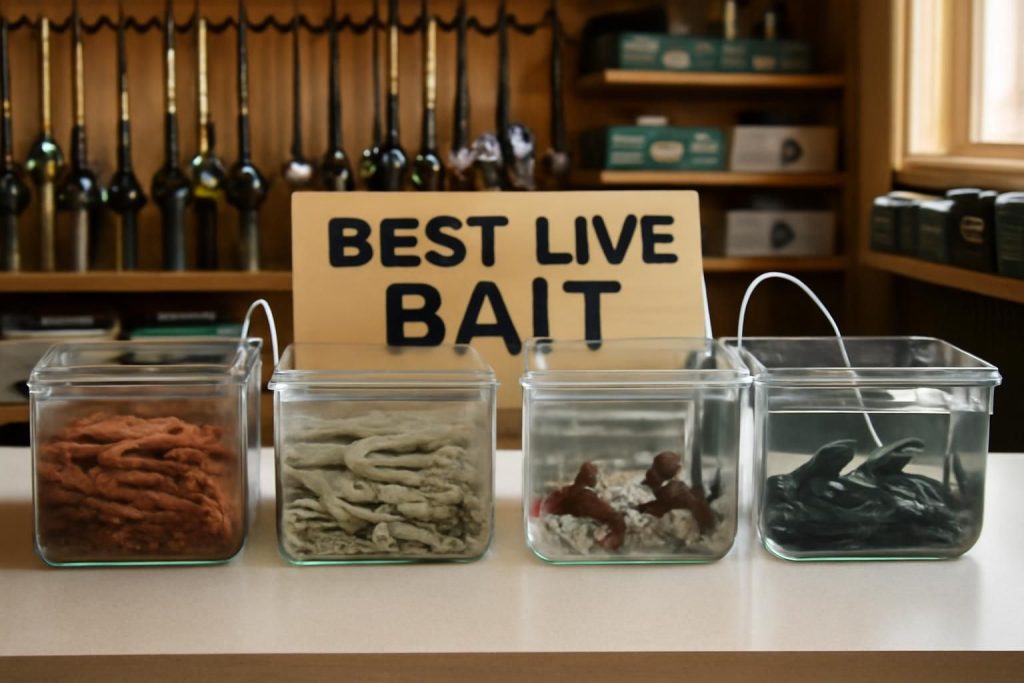
Using live bait is a time-honored method that has proven to be effective for anglers across various freshwater environments. The allure of live bait lies in its natural presentation, which can fool even the most cautious of fish. Fish are inherently driven by their instincts, and this primal behavior leads them to strike at living prey, even when they’re not actively hungry. The wriggling movement and natural scent of live bait can often invoke a quick response that artificial lures simply cannot replicate.
Best Practices for Bait Selection
Choosing the most effective live bait involves understanding your target fish species, local water conditions, and seasonal changes. This section will deep-dive into some practical tips for bait selection.
Target Species and Preferred Bait
Each fish has a unique set of dietary preferences. For example, if you’re aiming for largemouth bass, using minnows or crawfish can yield extraordinary results. On the other hand, smaller species like bluegills may be attracted more to worms or crickets. Familiarizing yourself with the local ecosystems is essential; local bait shops can be invaluable resources for this information.
Water Temperature and Conditions
The temperature and clarity of the water significantly affect fish behavior and bait effectiveness. For instance, in warmer waters, fish are generally more active and may prefer faster-moving bait options, while cooler waters might require a more subdued approach with slower, hanging bait presentations.
Seasonal Variations
Different seasons bring about changes in fish feeding patterns. In early spring, use smaller bait like minnows to attract post-spawn fish. Conversely, as temperatures rise in the summer, larger bait like shad can be more appealing to predatory species.
Engaging with seasoned locals or visiting bait shops can provide further insights into what’s currently effective in your targeted fishing locations.
Optimal Bait Placement Techniques
Having the right bait selection is vital, but how you present that live bait is just as important. Optimal placement can dramatically enhance your chances of making a successful catch.
Understanding Depth and Location
One of the most critical components of bait placement is understanding the depth where fish are congregating. Fish often school at specific depths depending on the time of day, weather, and food availability. By utilizing sonar technology, anglers can efficiently locate schools of fish and adapt their bait placement accordingly.
An effective strategy is to adjust the bait’s depth based on daily fish activity patterns. For example, during dawn or dusk, surface presentations may be incredibly effective, while mid-column placements work better as the day progresses.
Presentation Techniques for Maximum Attraction
Additionally, how you present the bait plays a pivotal role in attracting fish. Subtle twitches and maintaining a natural motion can create an enticing presentation that mimics the movements of typical prey. This is especially useful when fishing with live bait, as fish respond well to realistic movements.
For those angling in freshwater during conditions where fish might be more selective, a drift approach allows your bait to naturally sway with the current, thereby providing a more genuine appearance to passing fish.
Fishing Gear for Live Bait
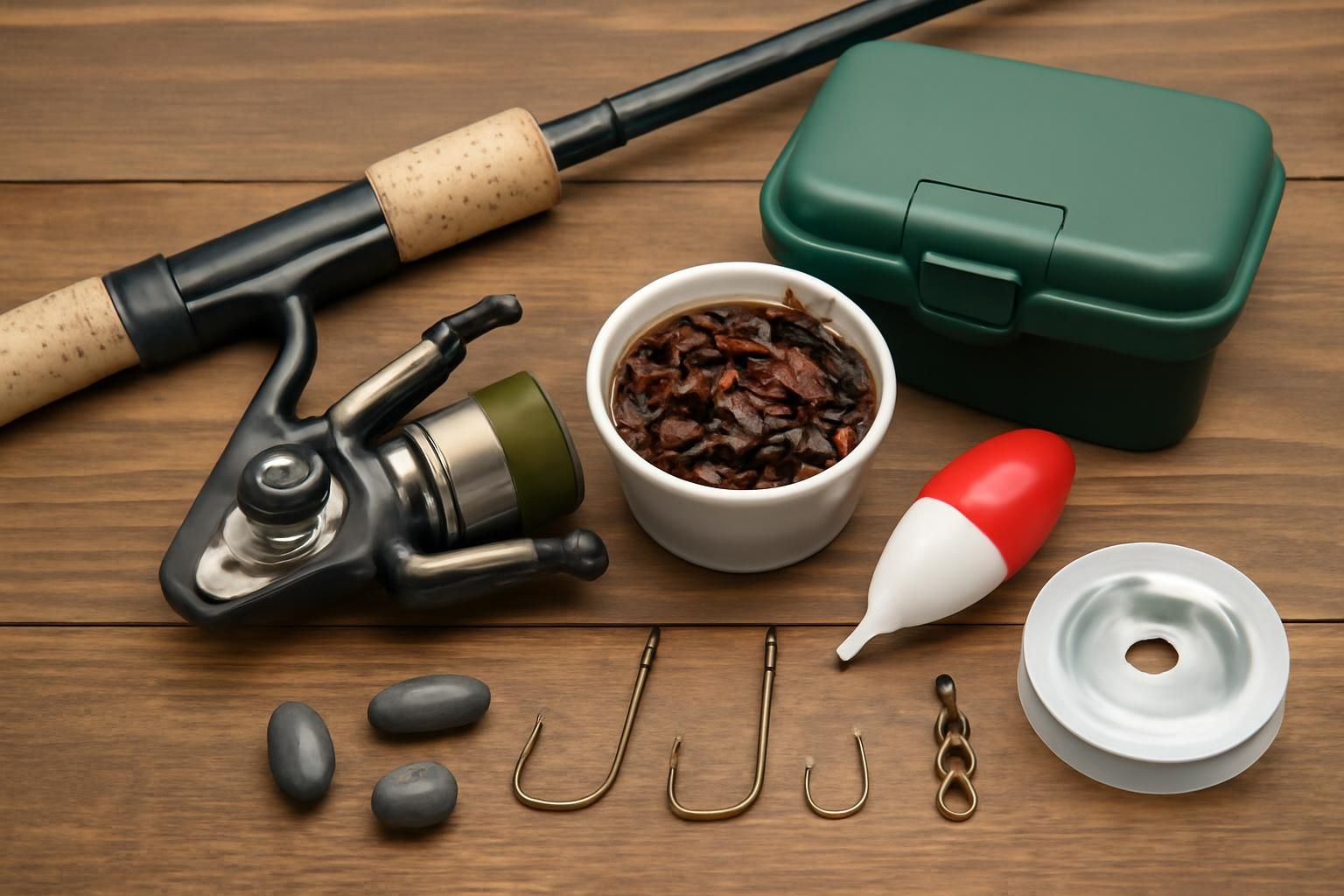
When fishing with live bait, having the right gear can enhance your experience and success. Light to medium-action rods are typically recommended for their sensitivity and ease of handling.
Choosing the Right Rod and Reel
When selecting your fishing rod and reel, consider the type of fish you’re pursuing. Lighter rods allow for finesse techniques, which are essential when fishing with delicate live bait. Conversely, for larger species, you may need a more robust setup.
In 2026, innovations in fishing gear have led to lighter, stronger materials, making it easier for anglers to manage longer fishing sessions without fatigue. A smooth drag system on your reel is important, especially when dealing with sudden strikes from larger game fish.
Proper Handling of Live Bait with Gear
Using sensitive gear can also help detect the slightest bite, ensuring that you don’t miss out on any opportunities. Efficiently selecting the right hook size based on your bait can ensure better hook-up ratios. In this regard, chemically sharpened hooks are becoming increasingly popular for their durability and performance.
Platforms such as THE REEL HOOKER provide practical guidance, fishing tips, and expert insights that help anglers refine their bait selection, presentation techniques, and overall fishing strategy.


