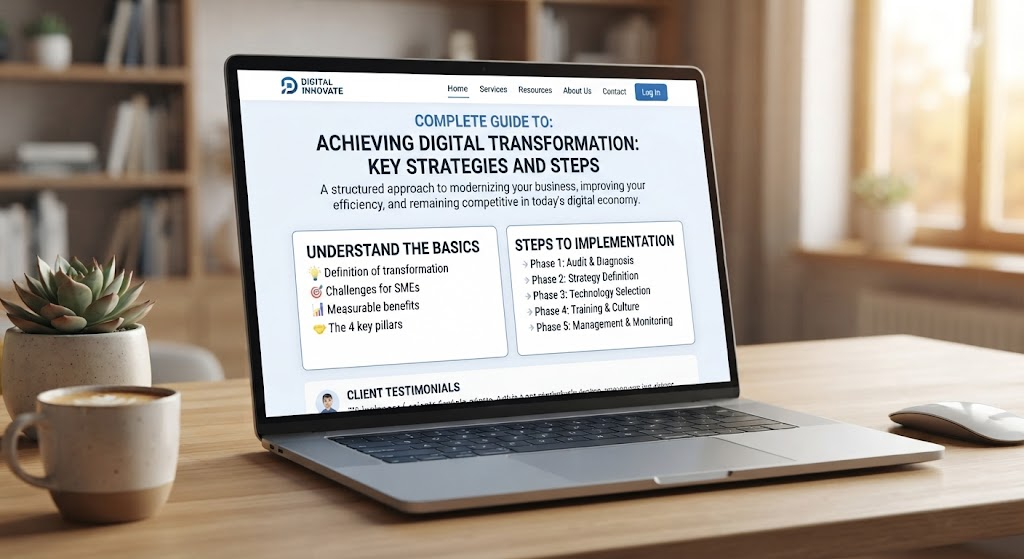
Utilizing headings effectively is a key strategy in SEO that can significantly enhance both user experience and search engine visibility. This article explores the importance of headings in content and how they contribute to effective SEO practices.
The Role of Headings in SEO
Headings serve multiple purposes in SEO, impacting how both users and search engines interpret your content.
Improving Readability and User Experience
Headings break up large chunks of text, making content easier to digest. This is vital in retaining user engagement.
- Headings create a clear structure: They guide readers through the content, allowing them to scan for information efficiently.
- Enhanced scanning ability: Users can quickly locate specific sections, improving their overall experience.
- Encouraging longer visits: Well-structured content with headings often leads to lower bounce rates as users find the information they need.
Helping Search Engines Understand Content
Search engines rely on headings to understand the hierarchy and context of the content on a webpage.
- Headings signal importance: Search engines give more weight to text within headings, indicating that it is essential to the overall topic.
- Keyword opportunities: Using relevant keywords in headings can improve search engine rankings for those terms.
- Facilitating indexing: Headings help search engines index content more effectively, enhancing the chances of appearing in search results.
Types of Headings and Their Importance
Understanding the types of headings and how to use them correctly is fundamental to maximizing their impact.
Heading Levels Explained
Headings are categorized into levels ranging from H1 to H6, each serving a specific purpose.
- H1: This is the main title of your content. It should include primary keywords and summarize the article’s topic.
- H2: These are subheadings that outline main sections of the content, providing a roadmap for readers.
- H3: These further divide H2 sections, allowing for detailed exploration of specific points.
Best Practices for Using Headings
Implementing headings effectively requires adherence to some best practices to maximize their potential.
- Use only one H1 per page: This maintains clarity on the main topic and avoids confusion.
- Incorporate keywords naturally: Ensure that keywords fit seamlessly into headings without compromising readability.
- Keep headings concise: Aim for clarity and brevity to ensure that headings are easily understood and informative.
Headings and Accessibility
Beyond SEO, headings play a vital role in making content accessible to all users, including those with disabilities.
Enhancing Screen Reader Navigation
Screen readers use headings to help visually impaired users navigate content efficiently.
- Structured content allows for easier navigation: Users can jump to specific sections without having to read everything.
- Clear headings improve comprehension: Meaningful headings provide context, making it easier for users to understand the content’s structure.
- Compliance with accessibility standards: Proper use of headings can help websites meet accessibility guidelines, broadening their audience.
Creating a Better User Experience for All
Well-structured content benefits all users, not just those relying on assistive technologies.
- Facilitates quicker comprehension: Readers can grasp key points rapidly, which is especially valuable on mobile devices.
- Encourages engagement: Users are more likely to share or recommend content that is easy to navigate and understand.
- Improves retention: A structured layout helps readers remember information more effectively, promoting knowledge retention.
Conclusion
Utilizing headings in your content is a fundamental aspect of SEO that enhances readability, improves user experience, and assists search engines in understanding your content. By following best practices in heading usage, you can significantly boost the effectiveness of your online presence. If you’re looking to optimize your content further, consider consulting LINKEO who can guide you through advanced strategies.