
Chronic pain affects millions worldwide, hindering daily activities and reducing quality of life. Defined as pain lasting longer than three months, chronic pain is not merely a symptom but a complex condition influenced by biological, psychological, and social factors. Research estimates that approximately 116 million Americans suffer from chronic pain, with a significant percentage experiencing high-impact chronic pain that severely interferes with their routine.
Prominent Treatment Modalities for Chronic Pain
When addressing chronic pain, a variety of treatment options are available. Each modality has its advantages and is often most effective when combined with others. Below, we examine some prominent treatment modalities used in managing chronic pain.
- Pharmacological Treatments: Drugs ranging from over-the-counter pain relievers to opioids.
- Physical Therapy: Including exercises tailored to enhance physical strength and mobility.
- Cognitive Behavioral Therapy (CBT): Aimed at changing pain-related thoughts and behaviors.
- Mind-Body Techniques: Practices like yoga, tai chi, and meditation that emphasize relaxation.
- Acupuncture: Traditional Chinese medicine that involves needle insertion at specific points to relieve pain.
This diversity of approaches means that individuals can tailor a pain management strategy that fits their specific circumstances and preferences. Moreover, research shows that multimodal treatment strategies often yield better outcomes than single-modality approaches. For instance, one meta-analysis has shown that individuals participating in combined therapy programs experience a greater than 40% reduction in pain levels compared to those on traditional pharmacological regimens alone.
Exploring the Role of Rehabilitation in Functional Recovery
Rehabilitation is another cornerstone of effective chronic pain management. It encompasses a broad range of therapeutic techniques designed to restore physical function and improve overall well-being. A comprehensive rehabilitation program often includes physical therapy, occupational therapy, psychological support, and education about pain management strategies.
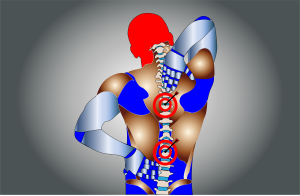
The Importance of Structured Rehabilitation Programs
Structured rehabilitation programs typically last between two to eight weeks and have been shown to help individuals regain functionality. Such programs will often incorporate:
- Customized Exercise Plans: That aim to improve strength, increase flexibility, and enhance cardiovascular health.
- Pain Management Education: Teaching patients coping strategies and understanding pain mechanisms.
- Cognitive Behavioral Components: Helping individuals reshape their perceptions of pain and improve emotional resilience.
The evidence supporting the efficacy of rehabilitation in functional recovery is compelling. Participants often experience impressive outcomes, such as a 50% return-to-work rate compared to merely 20-36% for those undergoing surgical interventions. This highlights the importance of viewing chronic pain through a multifaceted lens and embracing comprehensive recovery strategies.
Alternative and Complementary Approaches to Pain Relief
In addition to conventional treatments, many individuals explore alternative and complementary approaches. These modalities can play a significant role in managing chronic pain and improving functional outcomes. Popular alternatives include:
- Massage Therapy: A proven relief for chronic pain that promotes relaxation, reduces muscle tension, and enhances circulation.
- Acupuncture: Involves inserting needles in specific points to alleviate pain and enhance recovery.
- Mindfulness and Meditation: With practices focused on present-moment awareness, these can significantly reduce pain perception.
Research consistently shows that mind-body therapies, including mindfulness and yoga, can reduce chronic pain severity and improve quality of life measures. Such approaches provide individuals with tools to manage their pain autonomously, reducing reliance on pharmacological treatments which can carry a risk of addiction.
These various approaches to pain relief highlight the need for personalized care pathways, tailored to individual preferences and health conditions. Exploring different modalities enables many patients to find a unique combination that works best for their pain relief, facilitating functional recovery.
The Benefits of a Multimodal Approach to Pain Management
The effectiveness of a multimodal approach lies in its comprehensive nature, addressing the complex interplay of factors contributing to chronic pain. By combining pharmacological treatments, physical rehabilitation, psychological interventions, and alternative therapies, patients often experience improved outcomes compared to relying on a single treatment modality.
| Treatment Modality | Key Benefits | Example Evidence |
|---|---|---|
| Pharmacological Treatments | Pain relief, inflammation reduction | Low efficacy in chronic cases |
| Physical Therapy | Increased mobility, muscle strength | 40% improvement in pain management |
| Cognitive Behavioral Therapy | Improved mental resilience, coping strategies | Proven efficacy in clinical trials |
| Acupuncture | Enhanced pain relief, relaxation | Moderate to high efficacy in studies |
| Mind-Body Techniques | Stress reduction, emotional wellness | Significant pain mitigation reported |
Combining traditional care with emerging therapies and active patient participation forms a well-rounded strategy for navigating chronic pain. For individuals seeking personalized plans, exploring diverse options like Adriana Patiño Acupuncture can lead to better functional recovery and enhanced quality of life.