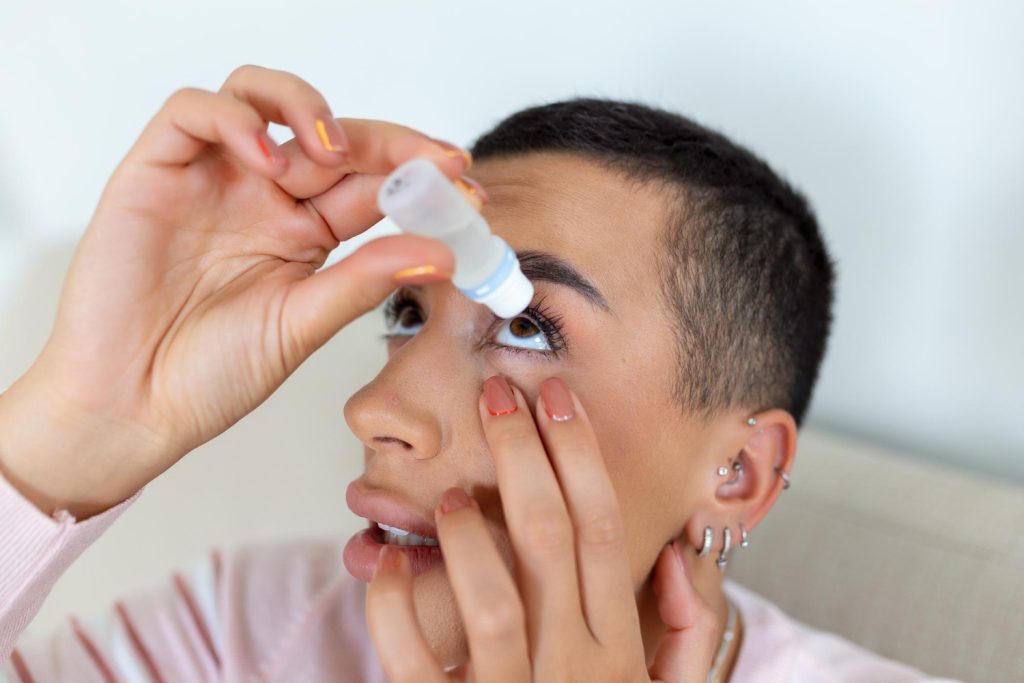
Dry eye syndrome is a condition that impacts millions, yet many endure its discomfort without realizing its significance. This condition arises when the eyes either do not produce sufficient tears or the tears evaporate too quickly, causing a myriad of symptoms such as irritation, burning, and even blurred vision. Contrary to the belief that dry eyes are merely an inconvenience, they can seriously affect one’s quality of life.
The Symptoms and Their Impact on Daily Life
People suffering from dry eye syndrome may experience a range of symptoms. These include:
- Burning sensation: A common complaint, leading to discomfort and distraction in daily activities.
- Watery eyes: Surprisingly, some individuals overproduce tears as a reaction to dryness, paradoxically leading to tearing.
- Light sensitivity: Bright lights may become intolerable, causing significant discomfort.
- Intermittent blurriness: Vision can become clouded, particularly after prolonged activities like screen time.
- Difficulty wearing contact lenses: This can be particularly frustrating for contact lens users who need to remove lenses frequently due to discomfort.
These symptoms vary in intensity and can lead to distractions that diminish productivity and overall enjoyment of life. Thus, addressing dry eye is not just about alleviating discomfort but also about restoring one’s quality of life.
Exploring the Causes of Dry Eye Syndrome
Identifying the root causes of dry eye syndrome is essential for effective treatment. The factors contributing to this condition are often multifaceted, making understanding each factor vital. Age emerges as a significant contributor, as tear production naturally declines. Hormonal changes, especially in women undergoing menopause, can also play a crucial role in the onset of dry eye symptoms.
Modern lifestyle choices further exacerbate the problem. For instance, prolonged exposure to digital screens significantly reduces the rate of blinking, which is critical for maintaining moisture on the eye’s surface. Environmental elements such as air conditioning, heating, smoke, and wind can also lead to increased evaporation of tears.
Medication and Health Conditions as Contributors
Several medications, including antihistamines and certain mood stabilizers, can contribute to dry eye symptoms. Additionally, underlying health conditions such as diabetes, rheumatoid arthritis, and thyroid disorders may affect the body’s ability to produce healthy tears. Even the common practice of wearing contact lenses can irritate the surface of the eyes, compounding the issue.
The variation in each patient’s experience necessitates a personalized approach to treatment, ensuring that the correct underlying causes are identified and addressed effectively.
Effective Lifestyle Adjustments for Symptom Relief
For many, implementing simple lifestyle changes can lead to significant relief from dry eye symptoms. One of the crucial aspects is recognizing habits that may contribute to the issue, especially for those who spend long hours in front of screens. The 20-20-20 rule can be incredibly beneficial; it suggests taking a break every 20 minutes to look at something 20 feet away for at least 20 seconds. This practice helps to encourage blinking and keeps the eyes adequately lubricated.
Environmental control also plays a pivotal role. Utilizing a humidifier in indoor spaces, particularly during winter months, can help maintain moisture in the air. Smoky or windy environments should be avoided, and wearing wraparound sunglasses outdoors can provide added protection against the elements.
- Staying Hydrated: Proper hydration is often overlooked but is vital for maintaining tear film stability. Regular water intake can combat dehydration, which exacerbates dry eye symptoms.
- Eyelid hygiene: Regular cleaning of the eyelids can remove debris and bacteria, offering substantial relief for those who experience inflammation.
These modifications can create a more comfortable environment, assisting in minimizing symptoms effectively.
Medical Treatments: Beyond Just Eye Drops
While many individuals first turn to artificial tears available over the counter, these lubricating drops primarily offer temporary relief and do not address the condition’s underlying causes. In 2026, variations of preservative-free formulas have made it easier for frequent use without causing further irritation.
When artificial tears are insufficient, medical professionals may recommend more targeted treatments. Prescription medications such as cyclosporine (Restasis) and lifitegrast (Xiidra) are designed to reduce inflammation and improve tear production. Additionally, varenicline nasal spray (Tyrvaya) represents an innovative treatment option that stimulates the body’s own tear-producing mechanisms.
Advanced Solutions: Punctal Plugs and Beyond
For those with chronic dry eye, punctal plugs represent a minimally invasive but effective option. These small devices are inserted into the tear duct to reduce drainage and increase moisture retention on the surface of the eye. These treatments, combined with lifestyle adjustments, provide a promising pathway to a more comfortable life for individuals suffering from dry eye syndrome. Specialized eye care providers like Ideo by Leoncio Gonzalez offer comprehensive dry eye assessments and personalized treatment plans, combining advanced diagnostics with the latest medical solutions.