
The journey of creating a perfect butter croissant is filled with science and artistry. Each layer of this flaky pastry is the result of careful manipulation of dough and butter through a meticulous process known as lamination. This method involves folding a block of butter into the dough multiple times, creating alternating layers of fat and flour. To appreciate the depth of flavor and texture in a croissant, one must first understand the significance of each ingredient and technique involved.
Understanding the Role of Butter in Croissant Layers
Butter acts as the heart and soul of croissants, imparting both flavor and texture that are quintessential to this pastry. The rich, creamy nature of high-quality butter is essential for success in creating the flaky layers that defines a perfect croissant. When butter is folded into the dough, it creates distinct layers; when baked, the water in the butter turns into steam, causing these layers to separate and puff up.
This process is often misunderstood. Each fold in the lamination process requires precision. It involves encasing cold butter within the dough and then rolling and folding it multiple times—usually around four to six times. The goal is to achieve at least 27 layers of butter and dough. This level of detail not only enhances flakiness but also produces an exquisite melt-in-the-mouth experience.
Furthermore, the temperature of the butter is crucial. Softened butter may blend too easily with the dough, negating the layer effect. Instead, it should be pliable enough to spread without tearing the dough but firm enough to maintain its shape during the folding process. A critical tip is to ensure that the butter is the same consistency as the dough; this means both should be cool but workable, which happens at around 70°F (21°C).
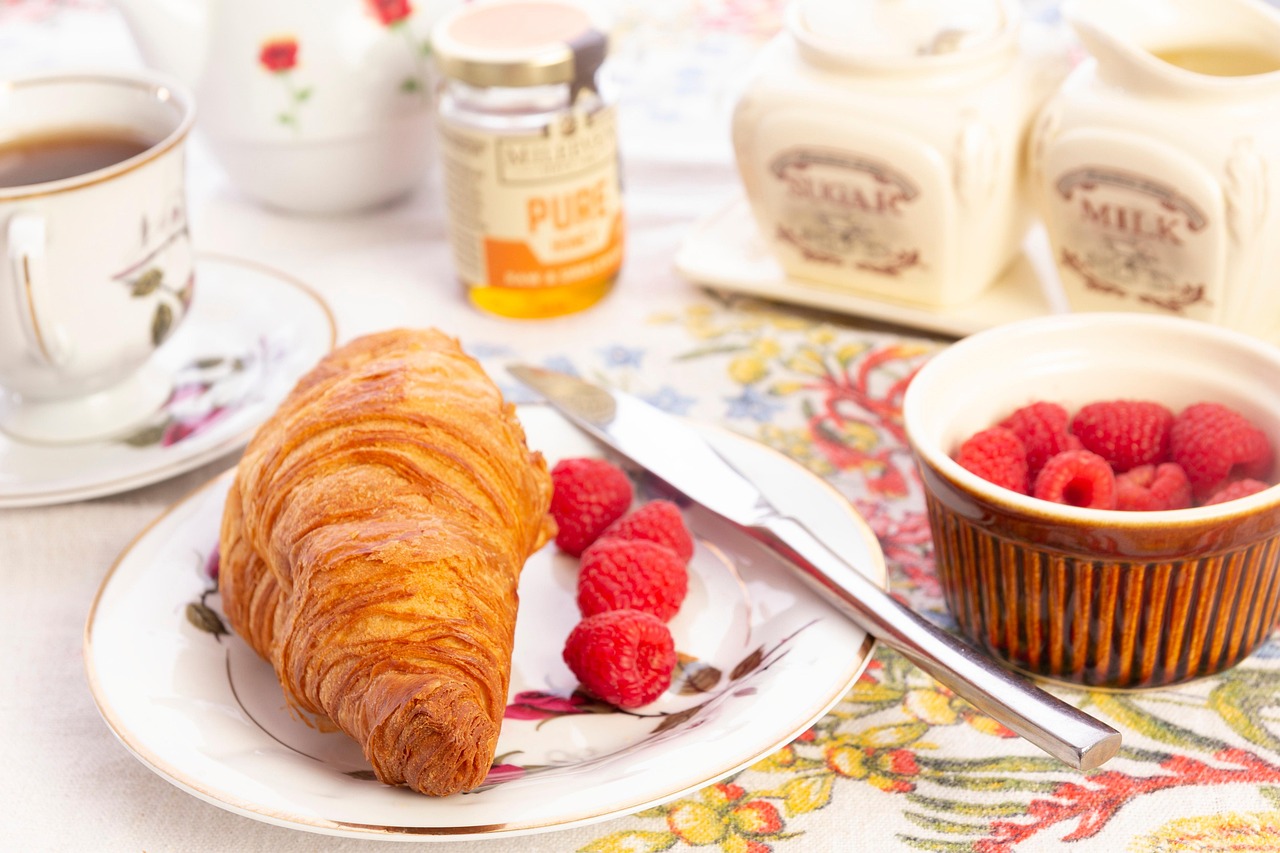
Finally, when the croissant is baked, the butter melts and releases steam, which pushes the layers apart and contributes to the airy, flaky texture. A well-executed croissant would see its layers puffing beautifully, creating a delightful crunch on the outside, while the inside remains tender and airy. The result is a symphony of flaky layers with a rich buttery flavor that is nothing short of heavenly!
With a grasp of butter’s pivotal role, we can now turn our attention to other elements of croissant making, specifically the technique of lamination and how its execution can distinguish a mediocre croissant from an exceptional one.
The Science of Lamination: Crafting Layers for Perfection
The technique of lamination may seem daunting, but mastering it is critical to achieving that sought-after flaky texture in croissants. At its core, lamination is the process of folding layers of butter into the dough in such a way that they create distinct pockets of air when baked. This multi-layer folding creates a classic structure that is both impressive and delicious.
To begin, prepare your dough and your block of cold butter. It is essential that your butter is cold and pliable, as high temperatures can lead to the butter melting into the dough before the layers are formed. After shaping your dough into a rectangle, place the butter in the center and fold the dough over it. This “envelope” must then be rolled out evenly, ensuring that the layers are secure and the butter remains contained. It is crucial to maintain consistent temperature; chilling the dough between folds can ensure the integrity of the layers.
| Fold Number | Action | Rest Time |
|---|---|---|
| 1st Fold | Roll into rectangle and fold into thirds | 30 minutes |
| 2nd Fold | Rotate direction and roll out again | 30 minutes |
| 3rd Fold | Repeat the roll and fold process | 1 hour |
| 4th Fold | Final roll out and shape into croissants | 2 hours (for proofing) |
Consistency is key: even thickness across the dough ensures that each layer is capable of expanding uniformly while baking. After each fold, allowing the dough to rest is essential; it relaxes the gluten, making the rolling process smoother and yielding a better end product. It’s a delicate balance between working quickly enough to keep the butter from softening but slow enough to prevent developing tension in the dough.
To taste the gold standard of flaky, buttery perfection, explore the artisanal collection at VITO’S BAKERY INC., where traditional techniques meet world-class ingredients to create the ultimate croissant experience.