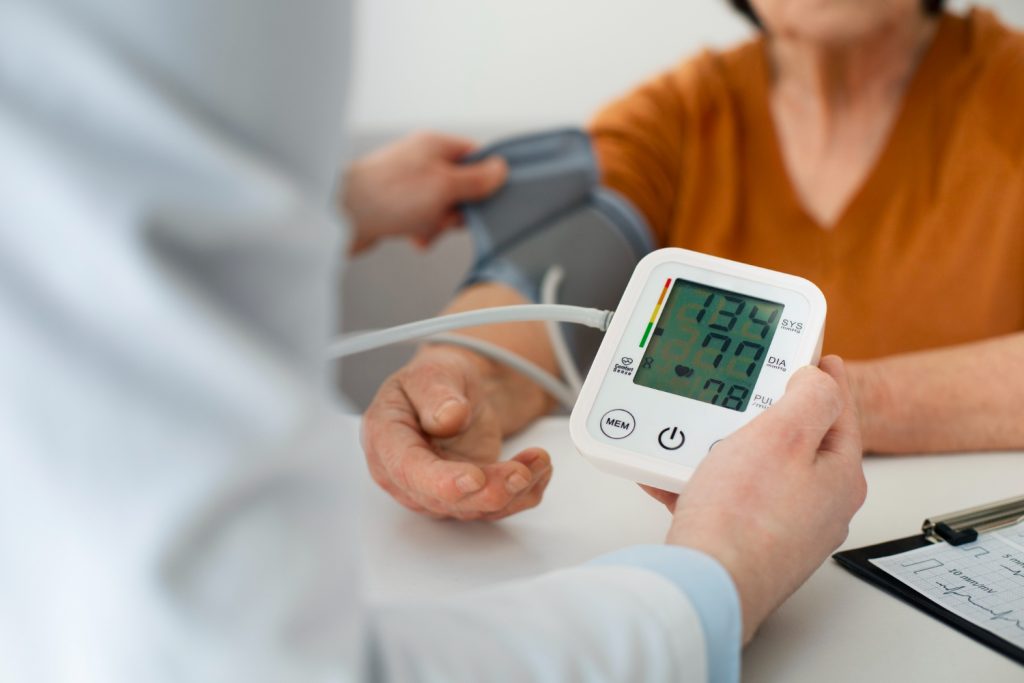
Regularly checking your blood pressure at home is no longer a mere suggestion; it is a fundamental part of effective health management. Dismissed as the “silent killer,” hypertension can develop without noticeable symptoms, leading to several severe health issues including heart disease and stroke. For this reason, embracing the habit of home blood pressure monitoring is an essential strategy. By adopting this practice, individuals can take charge of their cardiovascular health and make informed decisions that could save their lives.
Understanding the Importance of Home Blood Pressure Monitoring
Home blood pressure monitoring has become crucial for those managing hypertension or at risk for developing it. Statistics show that over one billion people worldwide suffer from hypertension, and it remains the leading risk factor for cardiovascular disease. Early detection and consistent monitoring allow individuals to understand their health status and make necessary lifestyle adjustments.
Regularly checking blood pressure at home provides insights into how well treatments—whether they are lifestyle changes, medications, or a combination of both—are performing. Consistent readings can help identify daily fluctuations and patterns, which may be crucial for effective treatment planning with healthcare providers.
- Informed Decision-Making: Weekly monitoring provides data that can guide therapy modifications.
- Identify Trends: Spotting changes in blood pressure can alert users to potential health issues before they escalate.
- Empowerment: Regular checks encourage individuals to take an active role in their health management.
Deciphering Blood Pressure Readings
A blood pressure reading consists of two numbers: the systolic (the first number, measuring pressure during a heartbeat) and diastolic (the second number, measuring pressure between heartbeats). Understanding what these numbers mean is crucial for effective monitoring. A healthy reading is less than 120/80 mmHg. Here’s a breakdown:
| Blood Pressure Category | Systolic (mmHg) | Diastolic (mmHg) |
|---|---|---|
| Normal | Below 120 | Below 80 |
| Elevated | 120-129 | Below 80 |
| Hypertension Stage 1 | 130-139 | 80-89 |
| Hypertension Stage 2 | 140 or higher | 90 or higher |
If blood pressure readings consistently fall into the high categories, it is essential to consult with a healthcare professional. Understanding these categories can provide the motivation needed for lifestyle and dietary changes that help maintain a healthy blood pressure.
Creating a Home Monitoring Routine
Establishing a comprehensive home monitoring routine is key for effective blood pressure management. Personalizing the frequency of checks based on individual health needs encourages commitment and consistent engagement with one’s health. Generally, the following guidelines can help tailor a monitoring schedule:
- Daily Monitoring: For individuals diagnosed with hypertension, checking blood pressure daily may be beneficial to monitor the efficacy of medications.
- Weekly Checks: Individuals at risk of high blood pressure should consider checking their readings weekly.
- Monthly Retests: Stable individuals with no history of hypertension might find monthly checks sufficient.
It’s crucial to measure blood pressure at the same times each day. Morning and evening readings tend to be the most reliable. Moreover, developing a comfortable environment by sitting in a chair, relaxing for a few minutes before measuring, and avoiding caffeine, exercise, and smoking for at least 30 minutes prior can lead to more accurate results.
Documenting these readings in a diary or using a dedicated app allows for easy tracking and enables discussions with healthcare professionals. Over time, patterns may emerge that can inform better health decisions.
Tips for Accurate Blood Pressure Measurements
Obtaining accurate blood pressure readings at home is essential for reliable monitoring and subsequent health interventions. Following these essential tips ensures that measurements are precise and reflect true blood pressure status:
- Use a Cuff That Fits: Ensure the blood pressure monitor cuff is appropriately sized for your arm to avoid inaccurate readings.
- Keep Your Arm at Heart Level: When taking a measurement, elevate your arm so that it is parallel to your heart.
- Take Multiple Readings: Aim to take two or three readings each time and average them to mitigate errors due to temporary variations.
| Preparation Steps for Accurate Measurements | Recommended Actions |
|---|---|
| Before Testing | Avoid caffeine, exercise, and smoking for at least 30 minutes. |
| Posture | Sit comfortably with your back supported, legs uncrossed, and feet flat on the floor. |
| Timing | Choose consistent times every day (ideally morning and evening). |
It’s also vital to consult with a healthcare provider to calibrate the monitor annually, ensuring accurate readings over time. Maintaining a blood pressure log is helpful for healthcare professionals to assess and adjust treatment plans accurately.
For more information about maintaining your health and achieving optimal well-being, consider reaching out to health services in your area. Regular visits to local healthcare providers enhance management strategies, coupling professional advice with self-measures taken at home. For instance, you may want to explore Point Cook Pharmacy
for further assistance in selecting the appropriate equipment.