ESA inspections can reveal electrical defects that remain hidden behind walls, inside switchboards, or within ageing wiring systems. Understanding common findings—from damaged insulation to missing circuit breakers—helps property owners recognize why repairs, upgrades, and clear documentation matter for electrical safety. The inspection process also shows how seemingly minor faults can point to broader installation problems.
Wiring Defects Identified During ESA Inspections
Wiring issues often develop gradually through wear, poor workmanship, moisture, or alterations made without appropriate oversight. During an inspection, an ESA professional may identify faulty wiring, conductors with damaged insulation, or loose connections that can cause overheating, intermittent power, or electric shock.
Connections that are not secure may produce excess heat, while damaged insulation can expose energized conductors. Improper grounding also weakens protection by limiting the safe path for fault current. These conditions should be assessed and corrected by a qualified electrical professional rather than covered up or handled as do-it-yourself repairs.
Wiring Damage and Grounding Faults
Inspectors look for exposed conductors, deteriorated insulation, and grounding that does not meet applicable requirements. Identifying the source matters: simply replacing a damaged section may not address the moisture, abrasion, or incorrect installation that caused the fault.
When electrical work forms part of a broader renovation, coordination can help prevent concealed defects from being overlooked. A guide to planning a home renovation offers useful context for organizing work across different trades.
Circuit Problems Found During ESA Inspections
Even sound wiring can become unsafe if circuits are poorly designed or used beyond their intended capacity. Inspectors assess whether circuit protection and conductor sizes are appropriate for the connected loads, since mismatches may contribute to overheating and equipment failure.
Circuit Overloads and Incorrect Wire Sizing
Overloaded circuits occur when electrical demand exceeds what a circuit can safely carry. Repeated breaker trips, warm outlets, or flickering lights can signal a problem, but the underlying cause requires proper testing—not a larger breaker installed as a shortcut.
Incorrect wire sizing can also create a hazardous mismatch between a conductor’s capacity and the circuit’s protective device. A qualified electrician can determine whether the wiring, breaker, and intended load are compatible, then recommend repairs that address the system as a whole.
Switchboard Deficiencies Recorded During ESA Inspections
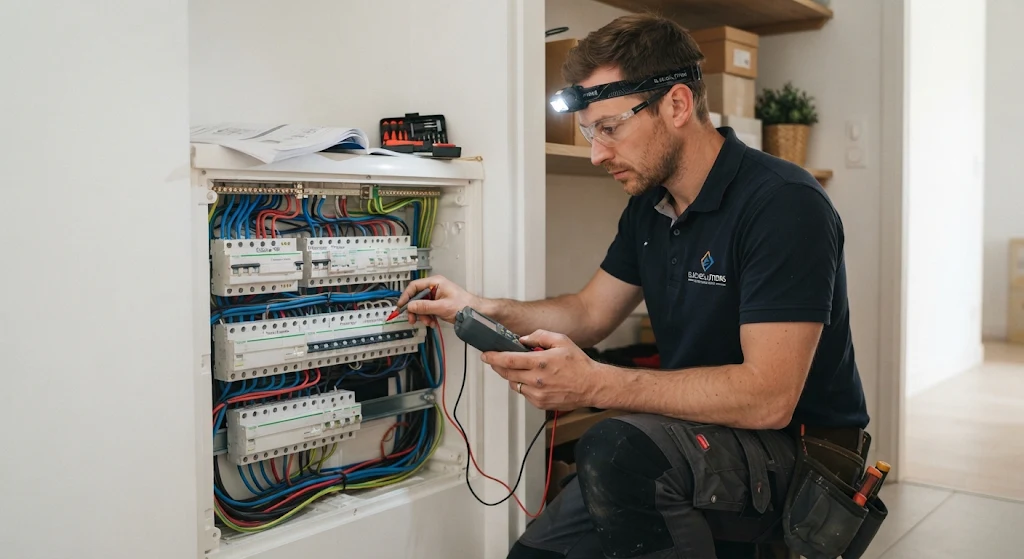
The switchboard is the central point for circuit control and protection, so its condition affects the safety and reliability of the entire electrical system. Inspections may identify outdated equipment, missing protection, or unclear circuit information that makes safe operation and maintenance more difficult.
The findings below illustrate why a switchboard should be evaluated as a complete assembly rather than judged by appearance alone:
- Outdated switchboards: Older equipment may lack features or capacity suited to current electrical demands.
- Missing circuit breakers: Inadequate protection can leave wiring vulnerable to overloads or faults.
- Inadequate labeling: Unclear identification can delay isolation of a circuit during service or an emergency.
Switchboard Protection and Identification
A clear, accurate circuit directory helps occupants and tradespeople identify the correct breaker before work begins. Where equipment is obsolete or protection is incomplete, an electrician can assess whether repairs or replacement are appropriate and ensure the work meets applicable requirements.
Switchboard changes should be coordinated with any connected building work, including roof or structural upgrades.
Compliance Findings and Corrective Work
Non-compliant installations may involve several related defects, such as unsuitable wiring, inadequate protection, or work that does not meet current requirements. An ESA inspection helps identify concerns, but the appropriate remedy depends on the installation, the observed condition, and applicable codes.
After receiving inspection findings, property owners can organize the next steps by focusing on safety and verification:
- Review each noted deficiency and clarify its location and scope with the inspector or electrician.
- Arrange assessment and repairs through a qualified electrical contractor.
- Keep repair records and confirm whether any required follow-up inspection has been completed.
Clear records and professional follow-up help ensure that corrective work resolves the underlying issue rather than merely concealing its symptoms. For property-specific advice or specialized repairs, consult a qualified electrician familiar with ESA requirements.