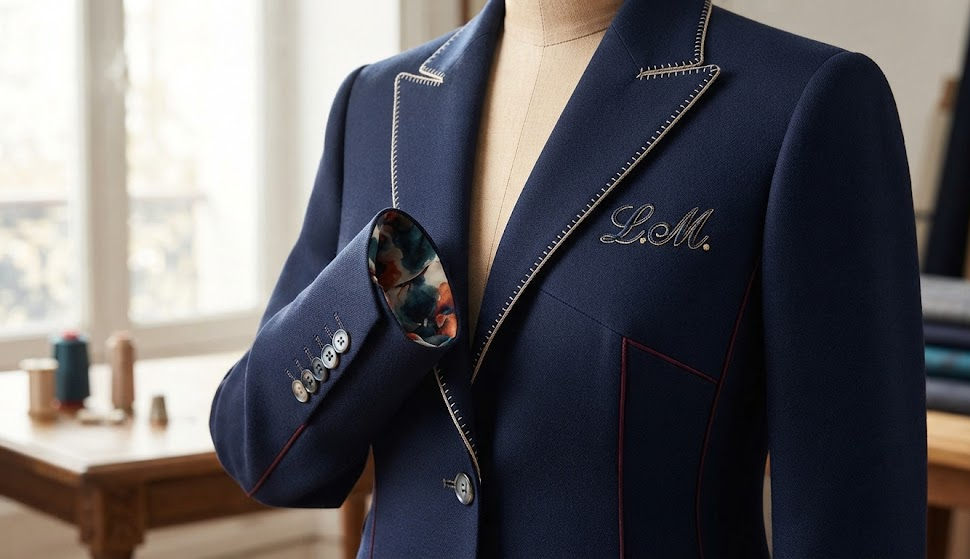
When it comes to custom clothing, the thread you choose plays an essential role in achieving a professional finish. It’s not just about stitching; it’s about enhancing durability, appearance, and overall quality. The right thread can turn a simple design into a stunning piece that stands out and endures over time.
Understanding the Importance of Thread Selection
Choosing the right thread can significantly impact the quality of your sewing projects. Whether you are a beginner tackling simple patterns or an experienced sewist working with intricate designs, identifying the correct thread is vital. Think of your chosen thread as the backbone of your creation; like a sturdy foundation for a beautiful structure, it is critical for the longevity and aesthetic of your garment. For custom clothing, selecting thread that complements the fabric, color, and stitching style can further enhance the finish and individuality of each piece.
Assessing Thread Quality
Quality matters immensely in thread selection. The ideal thread displays several characteristics:
- Consistent Thickness: A good thread should have a uniform thickness for even stitches.
- Smooth Surface: This minimizes fraying and ensures compatibility with your sewing machine.
- Proper Twist: The twist should be balanced to add strength and prevent breaking during stitching.
To check for quality, examine the thread under a magnifying glass. A good thread will appear smooth and free of fuzzy fibers that could create lint or jamming in your machine. Remember, the quality of thread you choose ultimately influences the quality of your work.
Exploring Different Thread Types
Not all threads are created equal; each type serves a specific purpose. Understanding thread types will ensure you select the best one for your project.
Cotton Thread
Cotton thread is ideal for natural fabrics and quilting projects, as it is both breathable and heat-resistant. It has little stretch, making it perfect for when you want seams to break before the fabric stretches, especially in children’s clothing where safety is a concern.
Polyester Thread
This thread is versatile and well-suited for various sewing projects. It offers strength, colorfastness, and slight stretch, which makes it compatible with synthetic fabrics. If you’re ever in doubt, an all-purpose polyester thread can handle about 80% of your sewing needs.
Specialty Threads
For projects that require an artistic touch, consider specialty threads like:
- Embroidery Thread: Available in cotton and rayon, providing color and sheen.
- Metallic Thread: Adds sparkle and drama but requires a specific needle type and slower machine speed to avoid breakage.
- Clear Thread: Nearly invisible, this thread is perfect for precise applications like hems and appliqué.
Matching Thread Weight to Fabric Type
Next, matching thread weight to fabric weight is vital for achieving the desired look and function of your garment. Here’s a simple guide:
Lightweight Fabrics
Use fine threads (60 weight or higher) for delicate materials like chiffon and silk, as this ensures the fabric drapes beautifully.
Medium Weight Fabrics
For fabrics such as cotton or linen, threads in the 40 to 50 weight range work best. This balance promotes good seam integrity without excess bulk.
Heavyweight Fabrics
Thicker materials, such as denim or canvas, require a sturdy thread of 30 to 40 weight for strong, durable seams capable of withstanding wear.
Choosing the Right Needle to Complement Your Thread
The right needle can enhance your sewing experience and the quality of your finished product. Matching your needle to your thread type and fabric weight is key.
Universal Needles
These needles are versatile and suitable for various applications, making them a great choice for many sewing projects.
Ballpoint Needles
For knit materials, ballpoint needles are ideal as they gently push fibers apart without damaging them. This is essential for elastic threads often used in stretchy fabrics.
Sharp Needles
When working with woven or delicate fabrics, sharp needles create precise stitches, enhancing the overall look of your garment. Always ensure the needle matches the thread weight for the best results.
By investing time in selecting and caring for your threads, you’ll enhance the longevity and quality of your sewing projects, allowing your custom clothing to stand out for all the right reasons. Consulting experts can also help you choose the most suitable threads and techniques for achieving a polished, durable finish.