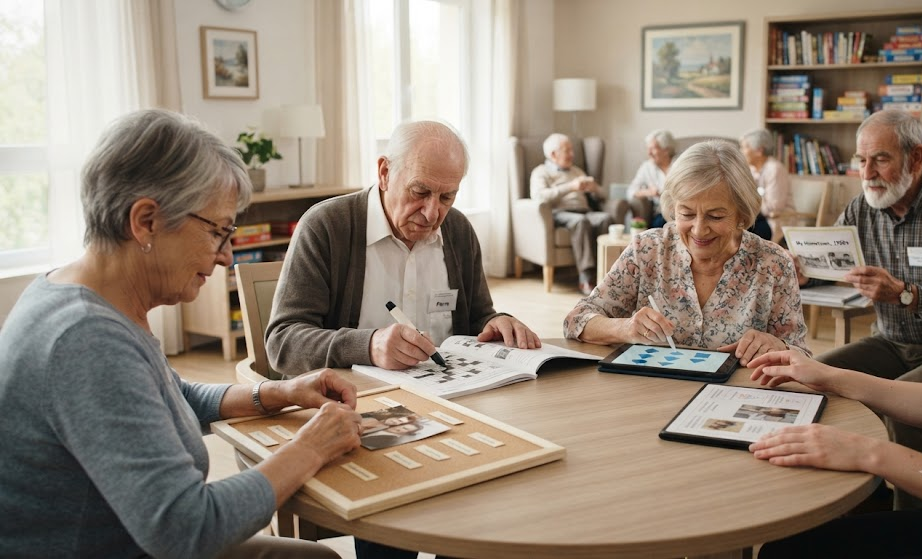
As we age, fostering cognitive engagement becomes increasingly vital for maintaining mental acuity and overall well-being. Personalized mental stimulation activities designed for seniors can effectively combat cognitive decline, boost memory, and enhance daily living. By tailoring these activities to suit individual preferences and needs, caregivers can create enjoyable and meaningful experiences that foster a sense of purpose and connection.
Understanding the Importance of Cognitive Engagement for Seniors
Cognitive engagement is crucial for seniors as it helps preserve mental abilities and enhances quality of life. Studies have shown that mental stimulation can effectively slow cognitive decline and combat feelings of isolation. Engaging in activities that challenge the brain not only supports cognitive health but also contributes to emotional well-being.
Recognizing the Benefits of Tailored Activities
Customizing activities for seniors can maximize engagement by focusing on their interests and cognitive capabilities. This tailored approach boosts motivation and encourages participation, leading to greater cognitive benefits. Some key advantages include:
- Enhanced Mental Function: Personalized tasks stimulate various cognitive areas, including memory and executive function.
- Improved Mood: Engaging in enjoyable activities can lead to increased happiness and reduced feelings of loneliness.
- Social Connections: Group activities encourage interactions that foster friendships and community ties.
Identifying Engaging Mental Stimulation Activities
When designing engaging activities for seniors, it’s essential to consider their preferences, abilities, and experiences. Below are some popular activity categories that can be tailored for maximum impact.
Reminiscence Activities
Activities that encourage reminiscence can spark joy and engagement. These involve discussing past experiences, using photos, music, or familiar objects to trigger memories. Examples include:
- Creating life storybooks with photographs and mementos.
- Listening to music from their youth and discussing associated memories.
- Sharing stories about significant life events or family history.
Cognitive Games and Puzzles
Games and puzzles challenge seniors mentally while being entertaining. Tailored options may include:
- Word searches or crosswords based on personal interests.
- Memory card games featuring family photos or familiar objects.
- Logic puzzles that incorporate everyday themes, such as grocery shopping or cooking.
Social Engagement through Structured Group Activities
Incorporating social elements into mental stimulation activities enhances their effectiveness. Group settings encourage participation and create opportunities for dialogue. Here are ways to structure such activities:
Organizing Themed Group Sessions
Themed sessions can be both educational and entertaining. Consider themes that resonate with the participants and encourage interaction, such as:
- Current events discussions, prompting sharing of opinions and experiences.
- Cooking classes that trigger sensory memories and interactions.
- Art and craft sessions using familiar materials to inspire creativity.
Implementing Regular ‘Check-Ins’ for Feedback
It’s essential to invite feedback from participants to refine activities continuously. By modifying sessions based on preferences, caregivers can enhance engagement and satisfaction. Regular communication fosters a sense of ownership over the activities and encourages continued participation.
Adjusting Activities for Individual Needs
Every senior is unique, and activities should reflect their individual interests and cognitive levels. Developing a flexible approach allows for varied participation while catering to their needs. Consider these adjustments:
Adapting Activities for Cognitive Levels
Activities can be simplified or made more complex based on individual abilities. For instance:
- Use larger print and tactile materials for seniors with visual impairments.
- Offer varying difficulty levels in puzzles to match cognitive abilities.
- Incorporate adaptive tools for seniors with mobility issues to enable participation.
Incorporating Technology for Enhanced Engagement
Technology can play a significant role in personalizing activities. Devices such as tablets or smartphones can host games, brain-training apps, or virtual reality experiences that appeal to different cognitive skills. By utilizing technology, caregivers can expand the range of activities available to seniors.
Establishing a Routine for Mental Stimulation
Creating a consistent schedule for mental stimulation activities helps reinforce routines and makes participation easier. Consistency not only enhances familiarity but also allows for gradual progress in cognitive function. Establish a weekly or bi-weekly plan with set times for various activities to foster reliability and support cognitive health.
By personalizing mental stimulation activities, caregivers can create a fulfilling environment for seniors that nurtures their mental health, social connections, and overall quality of life. Tailoring activities to fit individual preferences while fostering engagement plays a crucial role in supporting cognitive health. As we recognize the importance of maintaining cognitive vitality for seniors, a proactive approach centered on personalization emerges as a pivotal strategy for well-being.