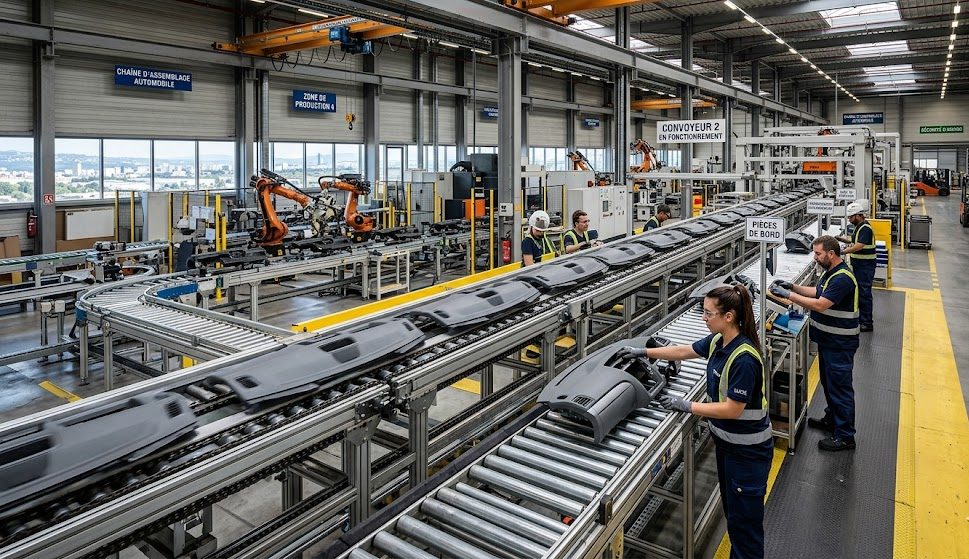
Choosing the right conveyor belt is a fundamental aspect of ensuring the success of everyday operations in numerous industries. The correct selection optimizes efficiency, maintenance, and overall productivity, making it vital to understand both the nuances of the material and the specific needs of your processes. Delving into key factors such as load capacity, environmental conditions, and material handling will empower operators to make informed choices.
Understand Your Application Requirements
Before selecting a conveyor belt, it’s crucial to grasp the specific requirements of your operation. Identifying the characteristics of the products being transported plays a pivotal role in guiding the decision-making process. Key considerations include:
- Type of Material: Assess the weight, shape, and fragility of the items to be moved.
- Conveying Environment: Evaluate whether the conveyor will be indoors or outdoors and its exposure to elements such as moisture and chemicals.
- Load Capacity: Determine the belt’s load-bearing capability based on the total weight to avoid premature wear.
Working with a knowledgeable team can assist in this critical assessment. Identifying these variables helps ensure the chosen belt aligns with operational needs.
Select the Right Belt Material
The material used in a conveyor belt significantly impacts its durability, maintenance needs, and efficiency. Different materials cater to distinct operational demands:
- Rubber Belts: Ideal for heavy-duty applications, known for their durability and flexibility.
- PVC Belts: Often employed in food production due to their cleanliness and chemical resistance.
- Metal Belts: Excellent for high-temperature scenarios, providing strength and corrosion resistance.
- Fabric Belts: Lightweight and cost-effective, best suited for low-impact uses.
Understanding the characteristics of each material will help operators maximize durability while minimizing maintenance issues. For more detailed exploration of material benefits, consider reading this guide.
Evaluate Belt Design and Construction
The design and construction of a conveyor belt are vital for its operational success. Factors like the belt’s shape, ply, and top cover can influence its efficiency:
- Belt Configuration: A well-structured belt prevents material loss and enhances performance.
- Single-Ply vs. Multi-Ply: While single-ply suits lighter loads, multi-ply belts are tailored for heavy-duty applications.
- Top Cover Design: Patterns or smooth surfaces dictate how well products are retained, especially on inclines.
Choosing the right design is not merely cosmetic; it directly affects overall performance and longevity. Ensuring that the design caters to the operational dynamics can significantly influence maintenance needs.
Analyze Operational Conditions
Operational conditions impose unique demands on conveyor belts. Understanding these variables will help ensure longevity and efficiency:
- Temperature Resistance: Select belts that can withstand the specific heat or cold of your environment.
- Chemical Resistance: Ensure exposure to grease or chemicals is viable without degrading the belt.
- Abrasion Resistance: For rough materials, reinforced covers or specialized coatings are crucial.
By addressing these operational demands, organizations can mitigate risks associated with wear and damage while enhancing overall reliability.
Consider Special Features
Many conveyor belts come with features that enhance their functionality. Specific needs may require:
- Anti-Static Belts: Ideal for electronic applications where static can be problematic.
- Fire-Resistant Belts: Essential in environments with a high risk of ignition, such as mining.
- Grip Top Belts: Offer enhanced material retention on inclines, crucial for steep operation scenarios.
These features can make a significant difference in operational efficiency and compliance with industry standards.
Understand Maintenance Requirements
Selecting a conveyor belt with low maintenance needs can greatly influence operational efficiency. Regular upkeep prolongs the belt’s lifespan and reduces costs. Essential considerations include:
- Self-Lubricating Features: Reduce friction and wear over time.
- Modular Designs: Allow easy replacement of damaged sections, enhancing repair times.
- Hygienic Designs: Enable faster cleaning, crucial in food processing operations.
Balancing initial costs with long-term maintenance expenses is key to making a sound investment. Choosing the right belt based on these criteria enhances both safety and efficiency.
Partner with Experts for Optimal Selection
The ideal conveyor belt selection isn’t a solo decision; it often requires expertise. Collaborating with industry professionals can ensure that every factor, from operational conditions to equipment compatibility, is covered. This collaboration typically leads to:
- Thorough Assessments: Detailed evaluations allow for informed decisions aligned with operational needs.
- Recommendations Based on Expertise: Specialists provide insights that guide material and design choices.
- Custom Solutions: Tailored recommendations to meet unique operational challenges.
For additional insights on how to optimize your conveyor system, check out this resource.
In conclusion, selecting the right conveyor belt for your operations involves a comprehensive understanding of various factors. From material, load capacity, and design to maintenance needs and environmental conditions, every aspect plays a role in determining overall effectiveness. By working closely with professionals and focusing on long-term operational goals, organizations can enhance their efficiency and reduce downtime.