The repercussions of industrial spills extend beyond the immediate impact on the environment; they leave a legacy of pollution that can last for generations. Industrial facilities, from manufacturing plants to chemical processing units, often grapple with the management of hazardous materials that, if not handled properly, can result in catastrophic spills. These incidents can lead to significant ecosystem impact, affecting not only local wildlife but also human communities relying on these ecosystems.
Long-Term Effects of Toxic Waste on Ecosystems
Toxic industrial spills cause long-term ecological collapse by disrupting photosynthesis and driving biodiversity loss. In aquatic systems, chemical runoff creates “dead zones” that suffocate marine life and devastate fishing economies.
Furthermore, toxins bioaccumulate up the food chain, eventually posing severe risks to human health. Mitigating these threats requires strict environmental policies that prioritize clean technology, waste management incentives, and habitat restoration to stop pollution at its source.
Contamination and Its Hidden Long-Term Effects
The concept of contamination extends beyond surface-level harm. Many pollutants, particularly those from industrial spills, have lasting effects that may go unnoticed for years. The challenge lies in the fact that many pollutants, such as certain pesticides or heavy metals, do not break down easily and can persist in the environment. Contamination often leads to a series of rippling effects throughout ecosystems, impacting flora and fauna and even influencing human health.
For example, the contamination of groundwater supplies with substances like trichloroethylene (TCE) can lead to severe health issues for communities relying on these water sources. Regrettably, by the time the presence of these contaminants is detected, significant harm may have already been inflicted on the local population.
A notable instance is the October 1973 spill of industrial solvents in Love Canal, New York. The area later became infamous for its public health crisis. Long-term studies revealed that residents experienced higher rates of cancer and birth defects due to the toxic waste buried beneath their homes, illustrating the often invisible consequences of industrial waste management failures.
It’s essential to implement monitoring programs that routinely check for contaminants not just immediately after a spill, but over extended periods to truly assess ecological and health impacts. Comprehensive studies must be conducted to grasp the extent of contamination, involving collaboration between scientists, policymakers, and community advocates.
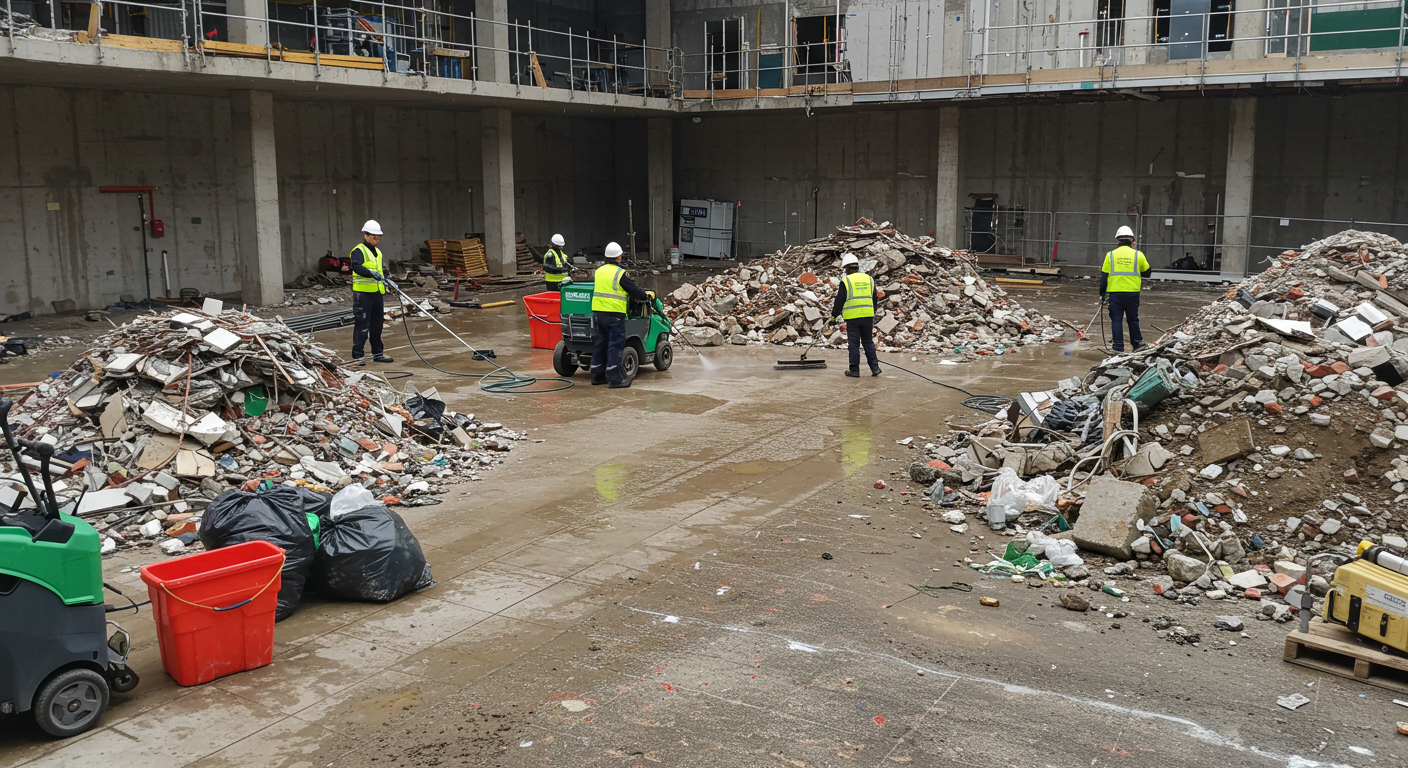
Strategies for Environmental Cleanup after Spills
Effective environmental cleanup following an industrial spill is critical in managing its aftermath. The remedial strategies employed can vary greatly depending on the nature and extent of the contamination, but here are a few key techniques:
- Bioremediation: This method uses microorganisms to degrade hazardous substances in the environment. It can be particularly effective for organic pollutants found in oil spills.
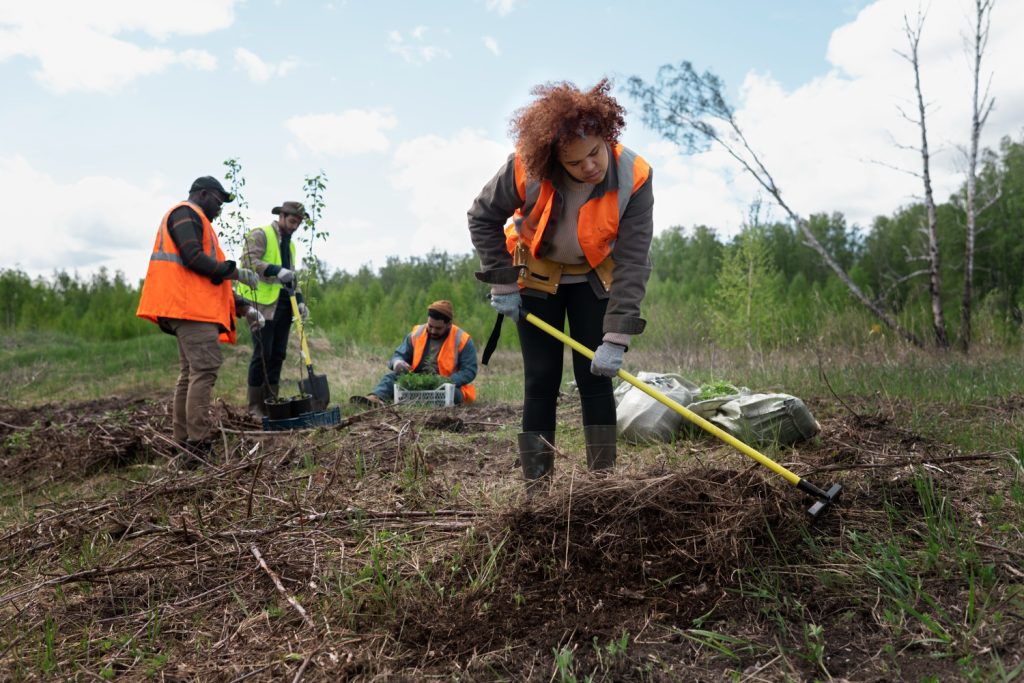
- Phytoremediation: Involves using plants to absorb and detoxify contaminants from soil and water. Several species are known for their ability to uptake heavy metals and other toxic substances.
- Soil Washing: This physical chemical process involves the removal of contaminants from soil using water and other substances to suspend the pollutants.
- Chemical Oxidation: This approach helps break down hazardous chemicals into less toxic substances through chemical reactions.
The choice of technique depends on factors such as the type of contaminant, its concentration, and the affected ecosystem. Effective cleanup can dramatically restore environmental conditions and improve community health, but it requires thorough planning and execution.
Collaboration among local governments, environmental agencies, and community organizations is essential to ensure comprehensive cleanup efforts. Engaging affected communities in monitoring and decision-making processes fosters transparency and strengthens public trust, which can be vital in the aftermath of a spill.
Preventative Measures Against Future Pollution
Understanding the extensive consequences of industrial spills leads to the question: what can be done to prevent these incidents from occurring in the first place? Preventative measures are crucial in mitigating the risks associated with industrial operations. Here are several strategies that industries can implement to minimize the likelihood of spills:
- Regular Maintenance: Routine inspections and maintenance of machinery and storage units can identify potential issues before they result in spills.
- Employee Training: Continuous training for employees on safety protocols and spill response can enhance readiness and reduce the chances of accidents.
- Improved Storage Solutions: Utilizing advanced storage technologies that minimize the risk of leaks and spills can be essential in safeguarding toxic substances.
- Environmental Impact Assessments: Conducting thorough assessments before any industrial operation can ensure that potential risks are accounted for and managed.
Preventing pollution through these proactive steps not only protects the environment but also makes sound economic sense for industries. By minimizing the risk of spills, companie like Mold Experts Now can avoid costly cleanups and legal repercussions while also safeguarding their reputation in the eyes of consumers.