
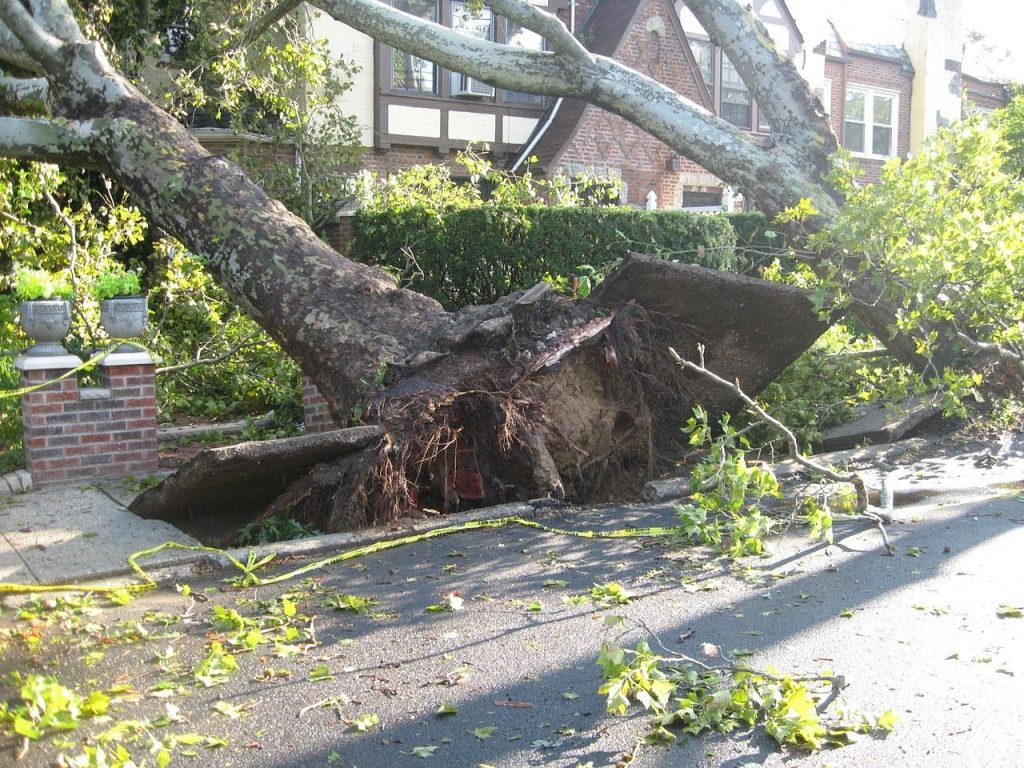
Keeping trees on your property healthy is essential for both aesthetic and safety reasons. While trees can add beauty, shade, and even increase property value, they can also become hazardous when they display signs of decline. Understanding the importance of regular tree inspections is crucial to prevent potential dangers. Tree experts highlight various tree hazards that may pose risks to your home and family.
Key Signs Indicating Your Tree May Be Dangerous
When it comes to identifying dangerous trees, being observant can be your best tool. Here are some critical signs that suggest a tree might pose a risk:
- Leaning Trunk: A sudden tilt in your tree’s trunk may indicate root failure, which could lead to collapsing branches.
- Multiple Dead Branches: If you notice more than 25% of branches in a tree are dead, this is a strong indicator of internal issues.
- Cracks in the Trunk: Deep splits can jeopardize a tree’s integrity. Cracks wider than three inches require urgent assessment.
- Mushrooms at the Base: Fungal growth suggests decay happening internally, which compromises the tree’s health.
- Hollow Trunk: If tapping your tree produces a hollow sound, it’s an alarm for weak structural support.
Each of these signs can escalate into serious situations that may result in falling branches or even the complete toppling of the tree. Regular monitoring is pivotal in spotting these conditions early.
The Role of Tree Experts in Tree Health Maintenance
Hiring tree experts can significantly reduce the risks posed by hazardous trees. These professionals possess the skills to conduct thorough tree risk assessments, identifying potential threats that may not be evident to the untrained eye. The expertise of arborists is crucial in evaluating tree health and determining any necessary interventions.
An arborist can offer a range of services, including trimming, pruning, and even the removal of dangerous trees. For instance, if a tree is leaning dangerously, the expert can assess whether bracing it is a viable solution or if it should be removed altogether. Additionally, arborists can provide valuable advice on how to maintain your yard’s safety while preserving the health of your trees.
When considering tree maintenance, be sure to consult with professionals who have a solid track record. Ask the right questions, such as their methodologies and qualifications, to ensure they can effectively handle your tree care needs. Understanding when to act is critical, and a professional’s insight can make all the difference.
When to Call for Professional Tree Inspections
Determining when to seek professional help is an essential aspect of tree care. Various situations warrant immediate action, particularly following severe weather events like storms or heavy snowfall. In these instances, trees may reveal new issues such as leaning or cracking. It’s advisable to have your trees examined as soon as possible after such events.
Additionally, if you notice any substantial changes in a tree, like sudden leaf loss or insect infestations, these can also be signals that it’s time for a professional evaluation. Regular inspections can preemptively catch these issues, ensuring that your property remains safe and your trees healthy.
If you’re pondering when to hire an expert, consider the following points:
- After severe weather events, always inspect and consider professional advice.
- Monitor any signs of decay or distress over time, documenting any changes.
- Be proactive; if a tree shows signs of serious decline, don’t wait for it to become dangerous.
Preventing Tree Damage Before It Happens
Preventative measures are indispensable in tree health management. Regular tree care practices can help maintain your trees and safeguard your property against potential risks. Here are some strategies to consider:
| Preventative Measure | Description |
|---|---|
| Regular Pruning | Trimming branches regularly keeps trees healthy and reduces the risk of falling limbs. |
| Pest Control | Addressing insect infestations promptly can limit damage to the tree and its structure. |
| Soil Care | Healthy soil supports root expansion and development, ultimately strengthening the tree. |
| Location Considerations | Planting trees the appropriate distance from structures minimizes risk as they mature. |
Implementing these preventative measures can aid significantly in staving off both tree health issues and the hazards associated with dangerous trees. By taking the initiative now, homeowners can maintain the quality of their trees while avoiding potentially risky situations. For homeowners seeking reliable expertise, partnering with a professional tree care company like K-W Tree Expert Co. is a smart next step.


