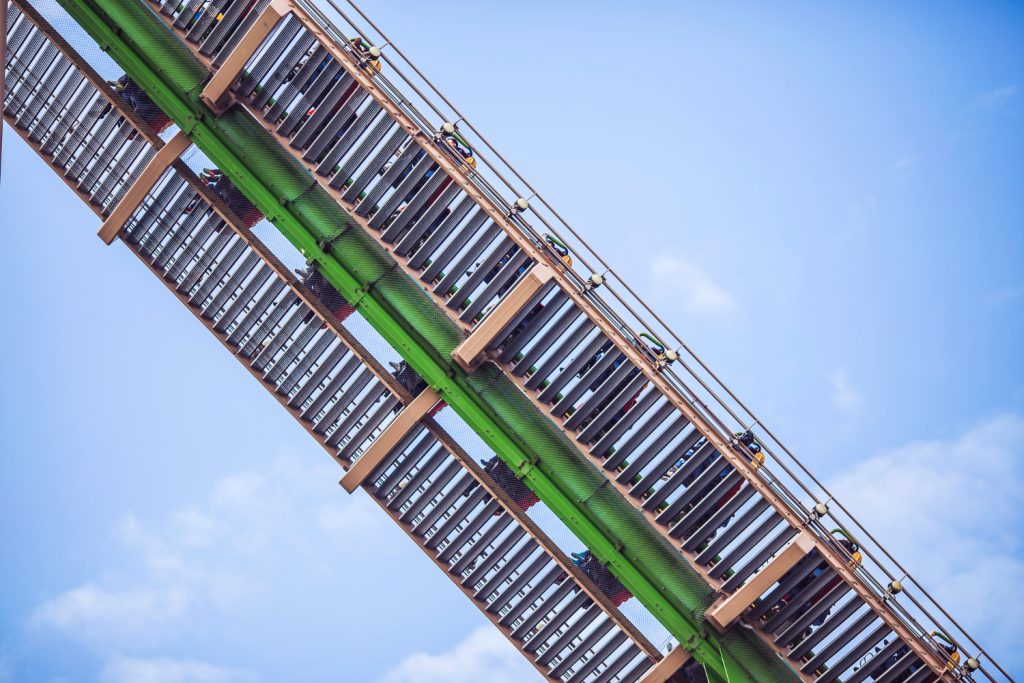
In a rapidly advancing industrial landscape, companies are constantly seeking ways to optimize their operations. One of the most valuable tools in enhancing operational efficiency is the inclined conveyor. These specialized systems are designed to transport materials between different elevations, providing an optimal solution for handling bulk goods without sacrificing floor space. Their significance is paramount, especially in warehouses and manufacturing settings, which often require the elevation and transport of materials seamlessly.
Applications of Inclined Conveyors Across Industries
Inclined conveyors possess an impressive degree of versatility, enabling their use across a broad spectrum of industries. They serve a crucial role in manufacturing, packaging, mining, food processing, and logistics, where moving materials between various elevations is necessary. Each sector benefits uniquely from inclined conveyor systems:
- Manufacturing: In a factory setting, inclined conveyors facilitate the transfer of components between different stages of production, helping to streamline operations.
- Packaging: These systems are essential for elevating packages to higher storage levels or into shipping containers, optimizing space usage.
- Mining: Inclined conveyors are employed to transport ores and aggregates from lower levels to higher processing areas efficiently.
- Food Processing: They ensure smooth material movement of ingredients and products while maintaining compliance with strict hygiene standards.
- Logistics: In logistics facilities, inclined conveyors enhance workflow by moving goods rapidly from one area to another.
Implementing inclined conveyors can significantly improve the logistics of material handling operations. Businesses can capitalize on improved efficiency, leading to reduced operational costs and enhanced productivity.
Additionally, selecting an inclined conveyor based on the intended application is vital, as it ensures optimal performance. Factors such as the weight of materials, conveyor length, and required incline angle must be taken into consideration.
Advantages of Inclined Conveyors in Material Handling
Incorporating inclined conveyors into material transport systems presents numerous benefits:
- Space Efficiency: By enabling vertical transportation, they save significant floor space that can be utilized for other operational processes.
- Reduced Labor Costs: Automating material movement decreases the need for manual labor, reducing work-related injuries and costs associated with human resources.
- Improved Safety: With inclines that require less manual handling, there is a decrease in the likelihood of workplace accidents.
- Versatile Capabilities: Inclined conveyors can accommodate various materials, from bulk goods to packaged products with ease.
- Increased Operational Efficiency: These systems expedite the transportation of materials, enhancing overall productivity in the facility.
The operational advantages of inclined conveyors necessitate their consideration in any material handling strategy. As companies strive for operational excellence, integrating these systems becomes a fundamental aspect of their logistics framework.
| Benefits | Description |
|---|---|
| Space Efficiency | Saves floor space by allowing vertical transport |
| Reduced Labor Costs | Decreases need for manual handling |
| Improved Safety | Less manual handling reduces workplace injuries |
| Versatile Capabilities | Handles various material types effectively |
| Increased Operational Efficiency | Speeds up material transport processes |
Selecting the Right Inclined Conveyor for Your Operation
Choosing the correct inclined conveyor system is a crucial decision that can influence operational efficiency. Several factors must be considered during the selection process:
- Load Capacity: Identify the weight and properties of the materials to ensure the conveyor can handle the load.
- Incline Angle: Assess the required angle for material transport, as steeper inclines may need specific designs and components.
- Material Type: Different materials may necessitate various conveyor designs; ensure the selection aligns with your operational needs.
- Space Constraints: Evaluate your facility layout and determine the best configuration to optimize workflow.
- Manufacturer Experience: Collaborate with a manufacturer that understands specific industry requirements and can offer tailored solutions.
Considering all of these aspects helps in designing an efficient material handling solution that meets unique operational demands. Additionally, consulting with experienced professionals can provide insight into current trends and best practices in inclined conveyor technology.
Ultimately, the successful implementation and integration of inclined conveyors can lead to smoother operation and substantial boosts in productivity.
Key Considerations for Conveyor Design
When undertaking conveyor design, several vital considerations ought to be made:
| Consideration | Importance |
|---|---|
| Safety Features | Protect workers from potential hazards |
| Accessibility for Maintenance | Enable easy access for durable operations |
| Energy Efficiency | Lower operational costs over time |
| Durability and Material Selection | Ensure longevity of the conveyor system |
| Environmental Conditions | Adapting design for indoor or outdoor settings |
Incorporating these factors into your design ensures that your inclined conveyor operates efficiently while also maintaining a safe working environment. Discover Cog-Veyor Systems‘s advanced conveyor systems and optimize your operations today