Intense Pulsed Light (IPL) is used on more than the face: depending on the concern, device, and skin type, treatment may also be considered for the neck, décolletage, hands, and other areas. Its broad-spectrum light can target pigment, visible blood vessels, or hair follicles, but suitability varies by body region and individual. Knowing which areas are commonly treated—and what results to expect—helps set realistic expectations.
Common Body Areas Treated With IPL
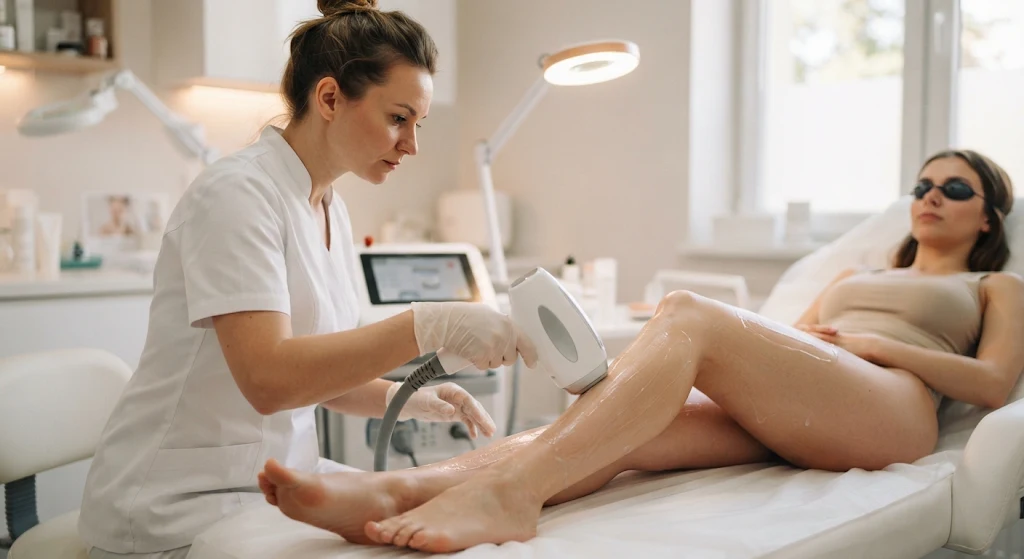
IPL is often used for hair reduction and photorejuvenation, a treatment intended to improve the appearance of sun-related pigmentation and small visible vessels. The light is delivered through a handheld device; unlike a laser, which uses a single wavelength, IPL uses a range of wavelengths filtered for the intended treatment.
For hair reduction, the light targets pigment in hair follicles. For skin concerns, it can heat selected pigment or blood vessels, allowing the body to gradually clear affected cells. Multiple sessions are commonly needed, and results depend on factors such as the device, the concern being treated, and skin tone.
Commonly considered treatment zones include:
- Face: Often treated for sun spots, freckles, facial redness, or unwanted hair.
- Neck and décolletage: May be considered for visible sun damage or uneven pigmentation.
- Chest, hands, and arms: These areas can show sun-related spots or small visible vessels.
- Underarms, legs, and back: Frequently treated for unwanted hair, subject to professional assessment.
- Bikini line: Hair reduction may be offered, with settings adapted for this sensitive area.
Photorejuvenation may also be considered on other areas with suitable pigment or vascular concerns. The treatment zone alone does not determine suitability: skin characteristics and the reason for treatment matter just as much.
Skin Concerns and Treatment Zones
The same area may be treated for different reasons, while the same concern may appear across several body regions. A clinician should identify the target—such as unwanted hair, pigmentation, or visible vessels—before selecting filters and settings.
| Concern | Commonly Considered Areas | Important Context |
|---|---|---|
| Unwanted hair | Face, underarms, arms, legs, back, bikini line | Hair pigment and skin tone affect response; repeated sessions are often needed. |
| Sun-related spots and uneven tone | Face, neck, décolletage, chest, hands | Assessment helps distinguish suitable pigmentation from conditions requiring other care. |
| Facial redness or small visible vessels | Face and, in selected cases, neck or chest | IPL may reduce their appearance, but results vary and diagnosis matters. |
IPL is not a general treatment for every scar, and it should not be assumed to remove tattoos safely. Some skin conditions require a different approach, while darker skin tones may have a higher risk of unwanted pigment changes with certain devices.
Safety and Suitability Across Treatment Areas
Temporary redness, swelling, stinging, or changes in skin colour can occur; less commonly, burns, infection, crusting, or scarring may develop. Protective eyewear and appropriate device settings are important, particularly when treating areas near the eyes.
Pregnancy, recent tanning or sunburn, active acne in the treatment area, a history of keloid scarring, and some medicines or skin conditions may affect whether IPL is suitable. A clinician should review medical history and medications; people should not stop prescribed treatment without medical advice.
Before treatment, providers commonly advise avoiding tanning and certain skin procedures for a period they specify. Afterward, follow the clinic’s care instructions, protect the area from sunlight, and seek medical advice if severe pain, blistering, or signs of infection occur.
Professional Assessment and Treatment Planning
Because response varies, a qualified professional can determine whether IPL fits the treatment goal, assess the skin, and explain likely benefits and risks. Alternatives such as laser treatment, topical care, or other hair-removal methods may be more appropriate for certain concerns or skin types.
Clear planning matters more than treating the largest possible area: the right device, settings, and aftercare help make treatment safer and expectations more realistic. Consult a dermatologist or other qualified practitioner for advice tailored to the specific area and skin.